Blog

  • How to Find a Reputable Auto Detailer in Vancouver, WA

    Mobile Car Detailing Vancouver WashingtonFinding a reputable auto detailer in Vancouver, WA, isn’t always as simple as searching Google and choosing the first company that appears.

    With so many mobile detailing services and detailing shops available, how do you know which one will actually do a good job?

    As the owner of Mobile Auto Detailing Vancouver WA at Prime Shine, I’ve spent more than five years cleaning vehicles throughout Vancouver, Washington, Portland, Oregon, and surrounding communities.

    During that time, we’ve detailed more than 1,000 vehicles and even had to fix cleaning jobs that other detailers didn’t complete properly.

    One thing I’ve learned is that a reputable auto detailer should have the right equipment, real experience, and a commitment to making customers happy.

    Here’s what I recommend looking for before trusting someone with your vehicle.

    1. Look for an Auto Detailer With Real Experience

    Experience is one of the most important things to consider when hiring a professional auto detailer in Vancouver.

    Anyone can purchase cleaning products, buy a vacuum, and advertise car detailing services. But owning detailing equipment doesn’t automatically mean someone knows how to use it properly.

    Professional detailing requires understanding different surfaces, cleaning chemicals, stain removal methods, and proper techniques.

    Why Experience Makes a Difference

    Over the years, I’ve learned that every vehicle presents different challenges.

    Some vehicles only need basic maintenance cleaning. Others have years of accumulated dirt, stained upholstery, pet hair, or heavily soiled carpets.

    An experienced detailer should know how to evaluate the vehicle and determine which cleaning methods are appropriate.

    For example, heavily stained carpets may require extraction rather than a simple vacuum and wipe-down.

    The goal should be to clean the vehicle properly without causing unnecessary damage to its surfaces.

    2. Make Sure the Detailer Has the Right Equipment

    One of the biggest things I tell people to look for is whether the detailer has the equipment needed to complete the job.

    In my experience, having professional equipment makes a major difference in the quality of the results.

    What Equipment Should a Professional Auto Detailer Have?

    Depending on the services offered, a properly equipped detailer may use:

    • Professional vacuum equipment for interior cleaning
    • Carpet and upholstery extractors
    • Pressure washing equipment
    • Appropriate brushes and microfiber towels
    • Cleaning chemicals designed for different vehicle surfaces
    • Polishing equipment for paint correction services
    • Water and power equipment for mobile detailing

    At Prime Shine, we’re a mobile detailing business, so being prepared is especially important.

    When we work at homes, we can connect to available household utilities. When we’re detailing vehicles at apartments, hotels, or workplaces, we bring our own water supply and generator.

    Having the right equipment is also important for larger vehicles. For example, customers looking for Mobile RV Detailing Vancouver WA should choose a detailer who understands the additional equipment, time, and preparation required to clean recreational vehicles.

    A professional detailer should be prepared for the location and the type of service the customer requests.

    Prime Shine Auto – Vancouver Car Detailing

    1309 NE 102nd Ave, Vancouver, WA 98664

    (360)3469940

    3. Check Google Reviews, but Don’t Rely on Them Alone

    When people search for the best auto detailer in Vancouver, WA, one of the first things they usually look at is Google reviews.

    Reviews can help you understand how previous customers felt about a company’s service.

    However, I don’t believe the number of reviews should be the only thing that determines whether a detailer is reputable.

    Why Review Counts Don’t Tell the Whole Story

    At Prime Shine, we have Google reviews from customers who have used our services.

    But I’ll admit something about running a detailing business: sometimes we’re so focused on completing the job and moving on to the next customer that we forget to ask for a review.

    That doesn’t mean the customer wasn’t satisfied. It simply means we didn’t always remember to request feedback.

    A company with fewer reviews isn’t necessarily less experienced than one with hundreds.

    What Should You Look for in Customer Reviews?

    Instead of looking only at the star rating, pay attention to what customers actually say.

    • Whether the detailer arrived as scheduled
    • The quality of the finished cleaning
    • How the company treated the customer
    • Whether the service matched what was promised
    • How the business handled problems or complaints

    Also, look at before-and-after photos when they’re available. These can help you better understand the quality of the company’s work.

    4. Be Careful When Choosing the Cheapest Auto Detailer

    One mistake I see customers make is choosing a detailing service based entirely on price.

    I understand why people want to save money. Professional car detailing can be expensive, especially when a vehicle needs extensive cleaning.

    However, the cheapest option isn’t always the best value.

    Why Extremely Cheap Detailing Can Be a Warning Sign

    In my experience, unusually low prices can sometimes mean the detailer isn’t spending enough time or effort getting the vehicle as clean as possible.

    Proper detailing takes time. Vacuuming carpets, cleaning tight areas, treating stains, shampooing upholstery, and carefully cleaning interior surfaces all require work.

    If someone is charging very little for a service that should take several hours, it’s worth asking what their package actually includes.

    That doesn’t mean every affordable detailer does poor work. Some detailers may be starting their businesses or offering limited maintenance packages.

    The important thing is understanding what you’re paying for.

    Compare the Work, Not Just the Price

    Before booking, ask what’s included in the service.

    For example, two detailers might both advertise interior detailing, but their packages could be completely different.

    One might provide basic vacuuming and surface cleaning. Another might include carpet shampooing, upholstery extraction, and more detailed cleaning.

    The price alone doesn’t tell you which service is better. You need to compare the work being performed.

    5. Ask Whether the Detailer Has Experience Fixing Poor Cleaning Jobs

    Here’s something I’ve personally experienced while running Prime Shine.

    We’ve had customers contact us because they previously hired another detailer who did a poor job cleaning their vehicle.

    They paid for a service expecting their car to be cleaned properly, but they weren’t satisfied with the results.

    We were then hired to clean the vehicle again and address the areas that hadn’t been properly taken care of.

    Why Customers Sometimes Have to Pay Twice

    When someone hires a detailer who doesn’t put enough effort into the job, the customer may end up paying another company to redo the cleaning.

    That can turn what seemed like an inexpensive detail into a much more costly experience.

    This is one reason I encourage people to look beyond price.

    Ask questions about the detailer’s experience and what their cleaning process includes.

    A reputable detailer should be able to explain what they can reasonably accomplish and which problems may require additional work.

    6. Choose a Detailer Who Stands Behind Their Work

    One of the biggest things I believe separates a reputable auto detailer from someone who simply wants to finish the job is how they treat the customer afterward.

    At Prime Shine, we take pride in the vehicles we clean.

    Our approach is simple: we don’t leave until the customer is happy with our results.

    Why the Final Inspection Matters

    After completing a detail, customers should have an opportunity to inspect the vehicle.

    If something needs additional attention, the detailer should be willing to discuss it and address reasonable concerns.

    Of course, not every stain, scratch, or damaged surface can be completely restored.

    Some problems are permanent or require specialized services. That’s why clear communication is important.

    A professional should explain realistic expectations instead of promising results that may not be possible.

    7. Check Whether the Detailer Is Prepared for Vancouver’s Weather

    If you’re hiring a mobile auto detailer in Vancouver, Washington, weather is another factor worth considering.

    Our area gets plenty of rain, especially during fall and winter.

    A mobile detailer should understand how to work safely and appropriately in changing weather conditions.

    Can Mobile Detailers Work in the Rain?

    At Prime Shine, we use a canopy to provide shelter while cleaning vehicles when conditions allow.

    This helps protect the vehicle and our work area during suitable detailing services.

    However, some services, such as paint polishing and correction, require dry and controlled conditions.

    Heavy rain, strong winds, or unsafe weather may also require rescheduling.

    A reputable mobile detailer should know when a job can be completed properly and when it’s better to wait.

    8. Watch Prime Shine Mobile Auto Detailing in Vancouver, WA

    Want to see more of our detailing business? Watch our video below to get a closer look at Prime Shine Mobile Auto Detailing serving Vancouver, Washington, Portland, Oregon, and surrounding communities.

    9. Ask These Questions Before Hiring an Auto Detailer in Vancouver

    If you’re comparing local detailing companies, asking a few questions can help you make a better decision.

    • How many years have you been detailing vehicles?
    • Do you have before-and-after photos of your work?
    • What equipment do you use for deep interior cleaning?
    • Does your package include shampooing and extraction, or only basic cleaning?
    • Are there additional charges for pet hair, stains, or heavily soiled vehicles?
    • Are you properly licensed and insured?
    • What happens if I’m not satisfied with the finished cleaning?
    • Can you provide your own water and electricity for mobile appointments?
    • How do you handle detailing during rainy weather?

    A professional detailer should be comfortable answering reasonable questions about their services.

    You don’t need to know everything about detailing equipment or chemicals. You just need to feel confident that the person you’re hiring understands the job.

    10. Finding a Reputable Auto Detailer in Battle Ground, WA

    The same advice applies if you live outside Vancouver.

    Customers in Battle Ground, Washington, should also look for experienced detailers with proper equipment, examples of completed work, and a commitment to customer satisfaction.

    If you live in Battle Ground and prefer the convenience of having your vehicle cleaned at home or work, learn more about our Mobile Auto Detailing Battle Ground WA services.

    Choosing a detailer who serves your local area can make scheduling and arranging mobile service more convenient.

    11. Mobile Auto Detailing vs. a Traditional Detailing Shop

    Another decision customers face is whether to choose a mobile detailing service or take their vehicle to a traditional shop.

    Both options can provide professional results when the detailer has the right experience and equipment.

    Benefits of Mobile Auto Detailing

    Mobile detailing can be especially convenient for customers who don’t want to leave their homes or workplaces.

    Instead of driving to a shop, dropping off your vehicle, and arranging transportation, a mobile detailer comes to you.

    At Prime Shine, many of our customers are older adults who appreciate the convenience of having their vehicles cleaned at home.

    Others are busy professionals who would rather continue working while we take care of their cars.

    The most important thing isn’t necessarily whether the detailer operates from a shop or a mobile van. It’s whether they can perform the service properly.

    12. How Do You Know if an Auto Detailer Is Worth the Money?

    In my opinion, a good auto detailer should provide value through quality workmanship, proper equipment, experience, and customer service.

    You shouldn’t have to hire another company immediately afterward to finish the job.

    Before choosing a detailer, consider what you’re getting for the price.

    A less expensive maintenance detail might be perfectly appropriate for a relatively clean vehicle.

    But a heavily soiled interior may require additional time, specialized equipment, and a more thorough cleaning package.

    The right choice depends on your vehicle’s condition and expectations.

    Frequently Asked Questions About Finding a Reputable Auto Detailer in Vancouver

    How Do I Find a Good Auto Detailer Near Me in Vancouver, WA?

    Start by looking at local Google reviews, before-and-after photos, and the company’s experience. Ask what equipment they use, which services are included, and how they handle customer concerns.

    Should I Choose the Auto Detailer With the Most Google Reviews?

    Not necessarily. Reviews are useful, but the number of reviews doesn’t always reflect a company’s experience or quality. Consider the actual feedback, examples of completed work, and how the business communicates with customers.

    Is Cheap Car Detailing Worth It?

    Affordable detailing can be worthwhile when the service matches your vehicle’s needs. However, unusually low prices may mean fewer services or less time spent cleaning. Always compare what’s included before booking.

    What Equipment Should a Professional Detailer Use?

    Equipment depends on the service. Interior detailing may require professional vacuums and extraction equipment, while exterior detailing may involve pressure washing equipment, specialized cleaning products, and polishing tools.

    Can a Professional Detailer Remove Every Stain?

    No. Some stains can be significantly improved or removed, while others may be permanent. A reputable detailer should explain what results are realistically possible.

    Should a Reputable Auto Detailer Be Licensed and Insured?

    It’s wise to verify the business’s applicable licensing and insurance coverage. This can provide additional confidence when someone is working on your vehicle or at your property.

    What Should I Do if I’m Not Happy With a Detailing Job?

    Inspect the vehicle and explain your concerns to the detailer. Give the business an opportunity to address reasonable issues and refer to the services and terms you agreed upon before the appointment.

    Finding a Reputable Auto Detailer in Vancouver Starts With Asking the Right Questions

    After more than five years in the auto detailing business, I’ve learned that professional results come from experience, the right equipment, and taking pride in your work.

    We’ve had to correct poor cleaning jobs performed by other detailers, and we’ve seen firsthand how frustrating that experience can be for customers.

    That’s why I believe people should take their time when choosing a detailing company.

    Don’t hire someone simply because they’re the cheapest or have the most reviews.

    Look at their work, ask questions, and make sure they’re prepared to handle your vehicle’s needs.

    At Prime Shine Mobile Auto Detailing, we serve Vancouver, WA, Portland, OR, Battle Ground, WA, and surrounding communities. We bring our equipment directly to customers and work to make sure they’re happy with the results before we leave.

    Whether you need basic interior cleaning, a full detail, RV detailing, or more intensive vehicle care, choosing an experienced professional can make all the difference.

    Your vehicle is an investment. Make sure the person cleaning it treats it that way.
  • Hidden Gems in Vancouver WA Most Visitors Miss

    Hidden Gems in Vancouver WA Most Visitors Miss

    Vancouver has hidden gems that don’t appear on most first-trip lists, from quiet lakes to historic streets and wildlife refuges. Most of these spots reward visitors who bring a car, a map, and a flexible plan. This guide highlights favorites and offers tips for finding them.

    Where Can You Find Peaceful Water Views?

    Vancouver Lake, a large natural lake on the western edge of the city, offers quiet shoreline walks and a relaxed picnic setting. Park areas along the lake are good for birdwatching, especially in cooler months. Check trail and park conditions after heavy rain, since paths can flood.

    Frenchman’s Bar Regional Park sits along the Columbia River, with open riverfront views and easy trails. It’s a good spot for a sunset stroll, though you’ll find fewer facilities than downtown. Bring water and check current park rules. Shoreline paths can be quiet on weekday mornings, when many families are busy elsewhere.

    Which Historic Streets Feel Like a Step Back?

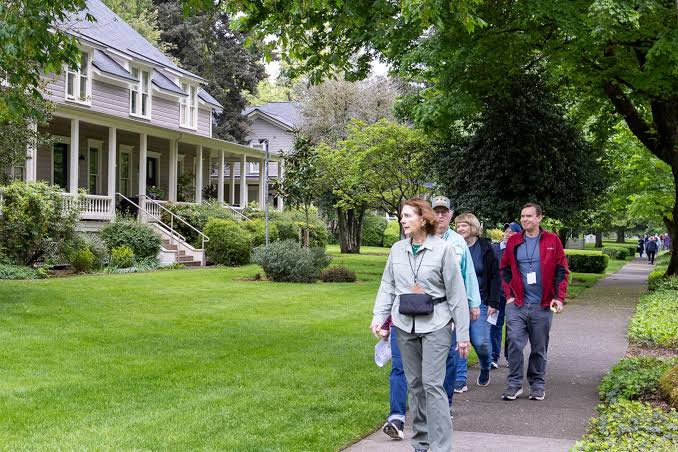
    Officers’ Row near Fort Vancouver is one of the most atmospheric walks in town, with preserved homes that once housed military officers. The tree-lined setting feels calm, especially in the early morning. Look for interpretive signs that explain the history of the homes. Bring a camera for the light.

    Ridgefield’s small-town core offers a different kind of stroll, with older storefronts and a relaxed pace. Many small-town shops keep shorter hours, so plan your timing. A Saturday morning visit tends to feel most lively. Historic streets are best explored slowly, with time to read signs and peek into side lanes. Let curiosity guide you, and stop when something catches your eye.

    Where Do Nature Lovers Find Quiet Trails?

    Steigerwald Lake National Wildlife Refuge, near Washougal, offers wetland trails with birds and seasonal wildlife views. The refuge is a quieter alternative to busier parks, especially on weekdays. Bring binoculars, wear layers, and expect muddy spots after rain. Check the refuge’s current hours and trail status before you leave.

    Lacamas Lake and its heritage trail in Camas offer a longer, shady walk around the water. Benches and overlooks make it easy to pause. Dogs and bikes may be restricted on some segments, so check posted rules.

    What About Museums Off the Usual Path?

    The Pearson Air Museum near Fort Vancouver is a smaller stop that often feels less crowded than the fort. Its exhibits reflect early flight in the region, and they pair well with a fort visit. Check the museum’s current hours and admission details before you go.

    Local libraries and community spaces sometimes host small exhibits, lectures, and workshops. Check bulletin boards or event calendars, since these listings rarely appear in standard guidebooks. They often reveal a side of town most visitors never see.

    Where Can You Eat Like a Local Without the Crowds?

    Neighborhood strips in Uptown Village, Camas, and Salmon Creek often hold quieter lunch spots that fill with regulars rather than tour groups. Weekday afternoons are usually calmer than weekends. Ask a shopkeeper for a current favorite, since local recommendations can beat search results.

    Check hours before you go, since smaller spots often set their own schedules. Parking can be easier in these areas than downtown, so plan your route with that in mind. Eat early to beat the lunch rush.

    Is It Worth Visiting Outside Summer?

    Yes, spring and fall offer quieter trails, cooler temperatures, and seasonal color along river and lake paths. Winter can be wet but brings lower crowds to many sites. Pack layers and a rain jacket, and expect shorter daylight in late autumn and winter. Check road and trail conditions before a winter outing.
    Quiet places reward patience, so plan a slower day. Build in time for detours, and let a trail or viewpoint change your plans. The best moments often come when you weren’t expecting them. Bring a small notebook to record what you find.

    Frequently Asked Questions

    How Do I Find Lesser-Known Spots Safely?

    Download offline maps before you leave cell coverage, since rural roads and trails can have weak signals. Tell someone your plan, and check trail conditions before setting out. Many refuges and parks post current updates at their entrances. Pack water and let your phone charge.

    Are These Spots Good for Kids?

    Many of these places suit families, especially the trails at lakes and refuges. Choose short loops and keep children close near water. Check each site’s rules for pets, bikes, and swimming, since they vary. Bring snacks, a first-aid kit, and layers for changing weather.

    Do I Need a Car to Explore?

    A car makes most of these spots easier to reach, since many sit outside downtown. Some areas have limited transit, so plan ride times carefully. Rideshare pickups can be less frequent in rural areas, so allow extra time for return trips.

  • Learning About Chinookan and Indigenous Heritage Around Vancouver WA

    Learning About Chinookan and Indigenous Heritage Around Vancouver WA

    The Chinookan peoples lived along the lower Columbia River long before settlers arrived. Their communities shaped the land, trade, and food systems of this area. Today, you can learn about that history at Fort Vancouver, the Cathlapotle Plankhouse, and other public sites. This guide offers a respectful path for visitors who want to learn more.

    Who Were the Chinookan Peoples?

    Chinookan peoples were a group of communities whose languages and cultures centered on the Columbia River and its tributaries. Villages were often located near fishing sites, with plankhouses built from cedar and other local materials. Chinookan trade networks connected communities up and down the river for generations.

    Chinook Jargon, a trade language that drew mainly on Chinookan languages, helped people from many communities communicate. Its use spread widely with the fur trade. Learning this detail helps visitors see the region as a place of exchange, not an empty landscape. Historians describe Chinookan communities as organized around family ties, shared resources, and seasonal rounds. Seasonal work, such as fishing and gathering, set the rhythm of daily life.

    What Is the Cathlapotle Plankhouse?

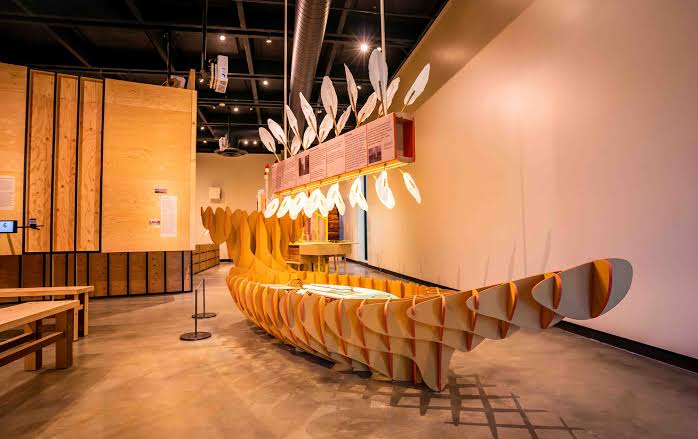
    The Cathlapotle Plankhouse is a reconstruction of a Chinookan plankhouse at Ridgefield National Wildlife Refuge, north of Vancouver. It stands on or near the site of a historic Chinookan village called Cathlapotle. The structure helps visitors picture how families lived, cooked, and gathered along the river.

    Check the refuge’s current hours and whether guided programs are offered before your visit. Interpretive signs and staff can add context, so read the panels slowly. Stay on marked paths and respect the signs.

    How Did Fort Vancouver Change Life on the River?

    The Hudson’s Bay Company established Fort Vancouver in 1825 as its regional headquarters. The fort’s trade, farming, and milling reshaped local economies. Epidemics in the early 1830s devastated many Chinookan communities, a loss that still shapes local memory and history.

    Many visitors come to Fort Vancouver to learn about the fur trade, but the site also tells Indigenous stories. Look for exhibits and programs that describe Chinookan labor, families, and resilience. Ask staff about Indigenous perspectives when you visit. Fort Vancouver’s exhibits and programs change over time, so look for current ones.

    Where Are Chinookan Communities Today?

    Chinookan descendants live today as members of several tribal communities and families across the Pacific Northwest. The Confederated Tribes of Grand Ronde, based in Oregon, includes Chinook people among its member tribes. Other Chinookan families maintain their own organizations and cultural work. Their voices matter more than any guidebook summary.

    Local tribal governments and cultural programs are the best sources for current information. Visiting a tribe’s public events, when they’re open to visitors, is a respectful way to learn.

    How Can Visitors Learn Respectfully?

    Start with the signs, exhibits, and guided programs at public sites, then listen more than you speak. Avoid taking photos of sacred or private items without permission. Don’t remove or touch artifacts, and stay on marked paths at archaeological or cultural sites.
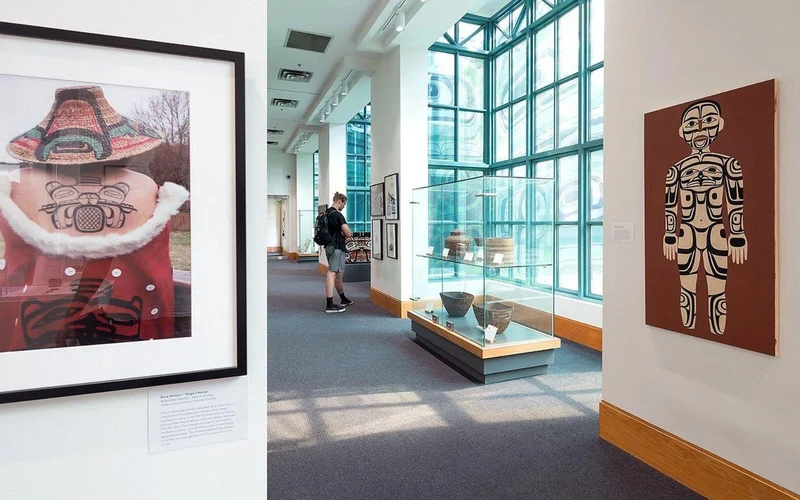
    Use terms that communities use for themselves when you can, and check spelling and names in reliable sources. Be cautious with online claims, and prefer material written or reviewed by tribal members or historians. If you share your trip online, describe places accurately and avoid stereotypes. Accurate details help other visitors learn more, too.

    What Else Can You See Along the River?

    Salmon runs shaped Chinookan life for many generations, and the river still carries that legacy. Look for interpretive signs about fishing, fish habitat, and seasonal runs at waterfront parks and refuges. Wildlife areas near Ridgefield offer a quiet setting for reflecting on that history.

    Pair your visit with a walk on the waterfront or a stop at the fort. Bring a notebook, and write down questions to research later. Learning takes time, and one visit is only a beginning. Walking slowly, reading each sign, and listening carefully makes the visit more meaningful.

    Frequently Asked Questions

    Do I Need to Check Refuge Hours Before Visiting?

    Yes, refuge hours and access can change with the season, weather, and staffing. Some trails or buildings may close temporarily. Check the refuge’s current information before you travel, and plan a backup stop nearby in case something is closed. Weekday visits can be quieter for reflection.

    What Was Chinook Jargon?

    Chinook Jargon was a simplified trade language used across the Pacific Northwest during the 1800s. It drew mainly from Chinookan languages and included words from French, English, and other sources. Today, language revitalization efforts work to teach Chinuk Wawa again. Learning a few words is a respectful way to start.

    How Should I Talk About Indigenous History?

    Use specific names and places rather than broad labels, such as Chinookan communities or the Cathlapotle village. Avoid describing Indigenous history as a closed chapter, since many communities are active today. Credit tribal sources when you share what you learned.

  • Museums and Art Galleries in Vancouver WA: A Visitor’s Guide

    Museums and Art Galleries in Vancouver WA: A Visitor’s Guide

    Vancouver’s museums tell the story of the Columbia River, from Indigenous homelands to fur trade forts and shipbuilding during World War II. The best starting point is Fort Vancouver National Historic Site, where a reconstructed fort and historic buildings sit near downtown. This guide covers the main museums, galleries, and tips for a relaxed visit.

    Which Museum Should You Visit First?

    Fort Vancouver National Historic Site is the best first stop for most visitors. It interprets the Hudson’s Bay Company’s fort, established in 1825, and the lives of the Indigenous people, fur trade workers, and soldiers who lived nearby. Plan at least two hours to walk the grounds and visit the exhibits.

    Visitor areas often offer exhibits and ranger-led programs, which add context. Check the park’s current schedule for tours, since programs change with season and staffing. Some areas of the site may have seasonal closures. Visitor areas also change over time, so look for the current exhibits.

    What Else Should History Lovers See?

    The Clark County Historical Museum in downtown Vancouver covers regional history, from early settlement and river trade to local industry. Its exhibits suit visitors who want a broader look at county life beyond the fort. Check hours before you go, since museums often adjust schedules for holidays and events.

    Walk the Officers’ Row historic district near the fort to see preserved homes from the military era. Exterior views are generally free to enjoy, so a self-guided stroll costs nothing extra.


    Where Can You Find Art Galleries?

    Downtown Vancouver hosts several galleries and studio spaces, often clustered within walking distance of the waterfront and historic blocks. Regional artists show paintings, photography, ceramics, and glass. Many galleries hold rotating exhibits, so check listings before you visit. Gallery openings sometimes happen on evenings, which makes for a social visit.

    Studio visits and open-studio weekends let you meet artists directly. Ask about purchases and commissions, and expect friendly conversation rather than pressure. Respect studio spaces by asking before taking photos. Ask a local shopkeeper whether any seasonal art walk is running during your visit. Community bulletin boards often list openings, workshops, and small exhibits.

    Are There Museums for Aviation and Industry?

    Yes, the Pearson Air Museum near Fort Vancouver highlights early aviation history in the Pacific Northwest. Exhibits suit aviation fans and families, and they connect nicely with a trip to the fort. Check current days and hours before you go.

    Industrial history shows up in the region’s paper and shipbuilding past, which local museums and interpretive signs describe. Look for displays and marked sites along the waterfront and in older neighborhoods.

    How Can You Make the Most of a Museum Visit?

    Arrive early, pick two or three exhibits you care about, and skip the rest without guilt. Ask staff or docents for recommendations, since they know which displays have the best stories. Photography rules vary, so look for signs before taking pictures.

    Check admission policies before you go, since some sites charge fees and others offer free entry. Ask about student, senior, or family rates, which many venues list on-site. Allow extra time for gift shops and quiet reading corners.

    Can You Combine a Museum Visit With Other Stops?

    Pair a museum morning with lunch downtown or a waterfront walk in the afternoon. The fort area and downtown are linked by a short drive or bus ride, so group your stops by area. Leave a buffer for parking.

    Pick up a map or brochure at the first stop, since staff can point out nearby sites. Save energy for a slow lunch, and plan a rest before evening events. Many visitors find a half-day plan more relaxed than a packed full day.

    Frequently Asked Questions

    Is Fort Vancouver Worth a Full Morning?

    Yes, for most history visitors a morning is a good match. The site includes a reconstructed fort, historic buildings, and exhibits that cover several cultures. Allow time for a walk through the grounds, and check whether a ranger program is running that day. Bring water and sun protection in warm months.

    Are Galleries Free to Enter?

    Many galleries in Vancouver offer free admission, though special exhibits or classes may charge a fee. Check each gallery’s current policy before you go, and expect to see work for sale. Gallery staff are usually happy to talk about the work on display.

    Is Photography Allowed in Museums?

    Policies vary by museum and by exhibit. Many museums allow photos for personal use but restrict flash or certain loaned objects. Look for posted signs at entrances and near displays, and ask staff if you’re unsure. Respect other visitors by keeping shots quick.

  • A Visitor’s Shopping Guide to Vancouver WA: Taxes, Tips, and Neighborhoods

    A Visitor’s Shopping Guide to Vancouver WA: Taxes, Tips, and Neighborhoods

    Vancouver is a practical place to shop, with downtown boutiques, neighborhood districts, and larger retail centers. Price comparisons across the river change once tax enters the picture, since Oregon has no general sales tax and Washington does. This guide covers tax basics, where to browse, and what to bring home.

    How Does Sales Tax Work for Visitors?

    Washington charges a state sales tax on most retail purchases, and local rates can add to it. Oregon has no general sales tax, so the posted price is generally what you pay. Groceries for home use are generally exempt from Washington sales tax, while prepared food and many other goods are taxed.

    Ask for a receipt that shows tax separately, and keep it for returns. If you’re buying a larger item, check the total with tax before you commit. A quick calculator check can prevent a surprise at the register. If you’re shopping on a multi-day trip, keep a running total so the tax doesn’t sneak up on you.

    Which Neighborhoods Are Best for Browsing?

    Uptown Village is the classic choice for independent shops, with a walkable mix of clothing, home goods, and gifts. Downtown Vancouver offers a compact core where you can browse several shops in one afternoon. Salmon Creek and other outer areas have larger retail centers for everyday shopping.

    Shop hours vary by store and season, so check before you plan a full afternoon. Weekday mornings are usually quieter, and weekend afternoons draw the biggest crowds. Parking in busy districts can fill up, so arrive early or use local transit. Shop for Pacific Northwest outdoor gear too, since rain and mountains make it a practical purchase here. Look for waterproof layers or sturdy footwear if you plan to hike.

    What Local Goods Make Good Souvenirs?

    Look for regional products like honey, berry jams, and locally made soaps. Handmade pottery, prints with river or forest scenes, and small textiles also travel well. Ask where an item was made, since that story often adds meaning. Check that food items are sealed and allowed for your trip home.

    Museum shops can be a good source for local history books and regional gifts. Local bookstores in the downtown core often stock Northwest authors and regional maps.

    What Should You Know About Returns?

    Return policies vary by store, so read the sign at the register or ask before paying. Many shops require receipts, and some have limits on final-sale items. Keep tags and packaging intact until you’re sure about the purchase. Ask for a gift receipt when buying for someone else.

    Hold onto your card statement too, since refunds can take several days to appear. Keep a photo of any item’s label as backup. Refund timing depends on the store and your bank.

    How Can You Shop Local Without Overspending?

    Set a budget before you start and decide which categories matter most. Browsing first helps you compare prices, quality, and craft across stores. Many visitors buy one meaningful item rather than several small items they never use. Tell yourself the rule up front, and stick to it.

    Watch for seasonal sales and end-of-season markdowns, which often appear as stores rotate inventory. Ask staff whether a sale is coming soon before you commit. Inventory changes often, so a second look later in the trip can reveal new arrivals. Holiday weekends can bring deals, but crowds can be heavy too.

    What About Vintage and Secondhand Finds?

    Secondhand shops, consignment stores, and vintage boutiques offer useful finds at varied prices. Look for quality fabrics, solid wood furniture, and classic outerwear, which often last longer than fast-fashion pieces. Inspect zippers, seams, and labels before you pay. Ask about return windows, since some secondhand sales are final.

    Thrift and consignment shops often refresh stock regularly, so repeat visits can pay off. Bring a reusable bag, and measure any furniture you’re considering, since tight car space can be a problem.

    Frequently Asked Questions

    Does Oregon Have a Sales Tax?

    Oregon does not charge a general sales tax on most retail purchases. That means the listed price is typically what you pay at the register. Some purchases, such as lodging, follow separate rules. Check current guidance before making a large purchase.

    Are Shops Open on Holidays?

    Many shops close or reduce hours on major holidays, while some stay open. Hours also change during summer and holiday seasons. Weekend hours sometimes differ from weekday hours too. Check each store’s posted hours or call ahead before you plan a trip.

    Can I Pay With Cards or Cash?

    Most Vancouver shops accept major credit and debit cards, along with mobile payments. Some small vendors, especially at markets, may prefer cash. Carry a small amount of cash for markets and tips, and check the payment options before you pay.

  • Live Music and Nightlife in Vancouver WA: What to Expect

    Live Music and Nightlife in Vancouver WA: What to Expect

    Vancouver’s nightlife is relaxed and neighborhood-driven, with live music in downtown venues, taprooms, and seasonal outdoor events. Many venues wind down by late night, especially on weeknights. This guide covers where to find live shows, how to plan your night, and how to get home safely.

    Where Do Live Shows Usually Happen?

    The Kiggins Theatre downtown hosts concerts, plays, and community performances, making it a strong first stop for a planned show. Smaller bars and taprooms across the downtown core may book local bands on weekends. Check event calendars, since lineups change from one week to the next.

    Summer brings outdoor events to downtown parks and the waterfront, when weather cooperates. Bring a layer, since Pacific Northwest evenings can cool quickly even in July. Plan a backup indoor option in case of rain.

    How Do You Plan a Night Out?

    Start with a dinner reservation, then pick one live venue for the evening. Limiting yourself to one or two stops keeps the night relaxed and affordable. Read the event listing for start times, since doors often open well before the first act.

    Buy tickets early for popular shows. Ticket prices and fees vary by event, so compare before you buy. Some venues allow walk-up sales, but do not count on them for sold-out nights. Build in time to find parking or a rideshare pickup spot.

    Some shows sell out quickly, especially headline acts at the theater. If a show matters to you, set a reminder for the on-sale time and have your payment method ready.

    What Are the Age and Alcohol Rules?

    Washington’s legal drinking age is 21, and venues check identification at the door or the bar. Many all-ages shows happen at theaters and community spaces, though rules differ by venue. If you’re under 21, look for events that welcome younger guests and confirm the policy in advance.

    Please drink responsibly, and pace yourself between sets. Plan a sober driver or rideshare before you leave, and never drive after drinking. Keep water nearby and eat something before the first drink. Keep an eye on the clock, since last calls can arrive sooner than you expect.

    How Late Does the Night Last?

    Under Washington rules, bars generally stop serving alcohol around 2 a.m., but individual venues set their own hours. Late-night food options can be limited, so eat before the show. Check closing times before you leave, since holidays and events can change schedules.

    Rideshare demand spikes after big events, so plan your pickup spot early. Walk with a group, stay in well-lit areas, and let a friend know your plans. Save the ride app on your phone before you go out.

    What Can You Do Besides Live Music?

    Many local venues host trivia, open mic, or comedy nights on certain weeknights. Taprooms and wine rooms sometimes add game nights or small acoustic sets. Look for community bulletin boards and event calendars to find out what’s happening. Schedules shift often, so confirm before you plan around one.

    Downtown galleries and theater productions can make a nice early evening before a late set. Start early, then move to a later show if your energy holds.


    Are There Family-Friendly Nights Out?

    Yes, many events in Vancouver welcome families, especially during daytime festivals, theater matinees, and early evening concerts. Outdoor parks sometimes host community events in warmer months. Look for all-ages notes on event listings, since rules vary from venue to venue.

    Plan an early dinner and an earlier start time for kids. Choose a seat near the aisle or an exit, and bring headphones for sensitive ears. Check whether the venue has quiet spaces for breaks.

    Pair one live show with a calm walk along the river before or after. Evening light over the water makes a good closing scene for a visit.

    Frequently Asked Questions

    Is There Live Music Every Weekend?

    Many venues host live music on weekends, but schedules change with seasons and holidays. Some weeks feature a headliner, while others offer local acts or open mic nights. Check current listings and venue calendars before you go, and buy tickets early for popular shows.

    Is Vancouver Nightlife Safe for Visitors?

    Most visitors have easy nights out when they plan ahead. Stay aware of your surroundings, keep valuables out of sight, and arrange your ride before you leave. Traveling in a group and telling someone your plans adds an extra layer of safety.

    Do I Need Cash for Live Shows?

    Most venues accept cards, and many use mobile or online ticketing. Cash can still help at small events or cover charges, so carry a little. Check whether a venue charges fees at the door, since those can differ from advance prices. Bring your ID, because you’ll need it at most bars.

  • Coffee Culture in Vancouver WA: How to Find a Great Cup

    Coffee Culture in Vancouver WA: How to Find a Great Cup

    Vancouver’s coffee culture is shaped by Pacific Northwest habits, from espresso stands to slow pour-overs. A great cup depends on freshly roasted beans, careful extraction, and a barista who cares about the details. This guide shows you what to look for, what to order, and how to read a menu without guessing.

    What Makes a Coffee Shop Worth Visiting?

    Look for a clear roast date on bags of beans, and ask when the beans were roasted. Freshness matters more than fancy equipment, because coffee loses aroma over time. A shop that happily explains its sourcing is usually one that takes quality seriously.

    Watch the workspace too. Clean steam wands, tidy grinders, and a barista who wipes the counter between drinks often signal care. A busy line isn’t always a sign of quality, so pay attention to the drinks you’re handed.

    Consider the coffee’s origin story as a clue to flavor. Single-origin beans often list a country, region, or farm, which can point to bright fruit or chocolate notes. Blends balance several origins for a steady, familiar cup. Ask what the shop roasts in house and how often.

    How Do Drive-Thru Espresso Stands Fit In?

    Drive-thru espresso stands are a regional tradition in Washington, and they’re a fast way to get a quality drink on the go. Some use local roasters, and many offer seasonal drinks. Pull up, order clearly, and check your cup before pulling away.

    Drive-thru lines can move quickly, but they’re less suited to lingering. If you want to sit and read, look for a café with seating and outlets. Plan that visit for a slower morning, and check the seating before you order.

    Which Drinks Should You Order?

    Start with a straightforward espresso drink such as a latte or cappuccino, since it reveals how the shop handles milk and shots. Pour-over coffee shows off a bean’s origin and flavor notes, and cold brew offers a smoother, less acidic cup. Ask the barista which beans suit your taste.

    Dark roasts taste bolder, while lighter roasts tend to show fruit and floral notes. Neither is better, so try both. Ordering a small cup first keeps the experiment affordable. Tell the barista what you usually like in a drink, and let them suggest a match.

    How Do You Order Like a Regular?

    Keep your order simple and clear. Name the drink size, milk choice, and any syrup in one sentence. Be patient during busy hours, and tip if you can, since baristas handle many orders at once. A friendly greeting goes a long way.

    Ask about dairy alternatives and syrups before you order, since flavors can be sweet and add calories. Many shops offer oat, almond, and soy milk, but options vary by location. Check the menu board or ask staff for details.

    Where Can You Find Coffee Beyond Downtown?

    Coffee shops appear in neighborhoods like Uptown Village, Camas, and Salmon Creek, often with more seating and calmer rhythms than downtown. Some shops double as bakeries or community meeting spots. Early weekday mornings tend to be the quietest times. Check hours before you go, since small cafes often set their own schedules.

    Trying a few neighborhoods gives you a sense of local taste. Each café has its own sound and style, and the differences are part of the fun.

    Can You Work or Study in a Coffee Shop?

    Yes, many cafés welcome laptops during quieter hours, especially on weekday mornings. Look for seats near outlets and test the Wi-Fi before you settle in. Buy a drink every hour or so, and keep your table clear for other guests.

    Respect the space by keeping calls short and headphones on. Shared tables fill fast at lunchtime, so plan a quieter hour for long study sessions. Many shops appreciate guests who order food or a second drink during long stays.

    Frequently Asked Questions

    Do Coffee Shops Accept Cards in Vancouver WA?

    Most coffee shops accept cards and mobile payments, but some small stands still prefer cash. Tipping is appreciated, and many shops offer a tip option on the screen. Check the payment options before you order, especially at seasonal or pop-up stands.

    How Can I Tell If Beans Are Fresh?

    Look for a roast date printed on the bag, not just a best-by date. Ask the staff when the shop last received its beans. Fresh beans smell aromatic and may look slightly oily on a dark roast. Coffee that tastes flat or stale usually needs a new bag.

    Do Shops Offer Decaf Options?

    Most shops offer decaf espresso or drip coffee, though availability varies by time of day. Late in the afternoon, some shops run low, so ask early if you’re hoping for decaf. Many shops also carry decaf tea for guests who skip caffeine entirely.

  • U-Pick Farms and Farm Stands Around Vancouver WA: A Seasonal Guide

    U-Pick Farms and Farm Stands Around Vancouver WA: A Seasonal Guide

    The best u-pick season around Vancouver runs from late spring through fall, with a new crop arriving every few weeks. Farms are spread across the rural stretches north and east of the city, including areas such as Ridgefield and Battle Ground. This guide explains what to pick and when, how to plan your visit, and what to bring home.

    When Is the Season for Each Crop?

    Strawberries usually come first, typically in late spring and early summer. Raspberries and blueberries follow through summer, and tree fruit and apples arrive later in the season. Pumpkins and winter squash fill the fall fields, while some farms offer cut Christmas trees in early winter. Dates shift each year with weather, so treat these windows as rough guides.

    Call or check a farm’s posted updates before you drive out. Crops can finish early after a hot week, or run late after a cool spring. Picking is often easier in the morning, when the fruit is cool and firm. Some farms post a weekly update on their social channels, so check before a long drive. Weather decides timing more than the calendar does, so plan a few flexible days in each season. Keep backup plans for a second farm nearby.

    How Should You Plan a Pick-Your-Own Visit?

    Arrive early on a weekend, since popular fields can run out of ripe fruit by midday. Wear closed shoes, bring a hat and sunscreen, and pack water. Fields are often open and uneven, so comfortable footwear matters more than style.
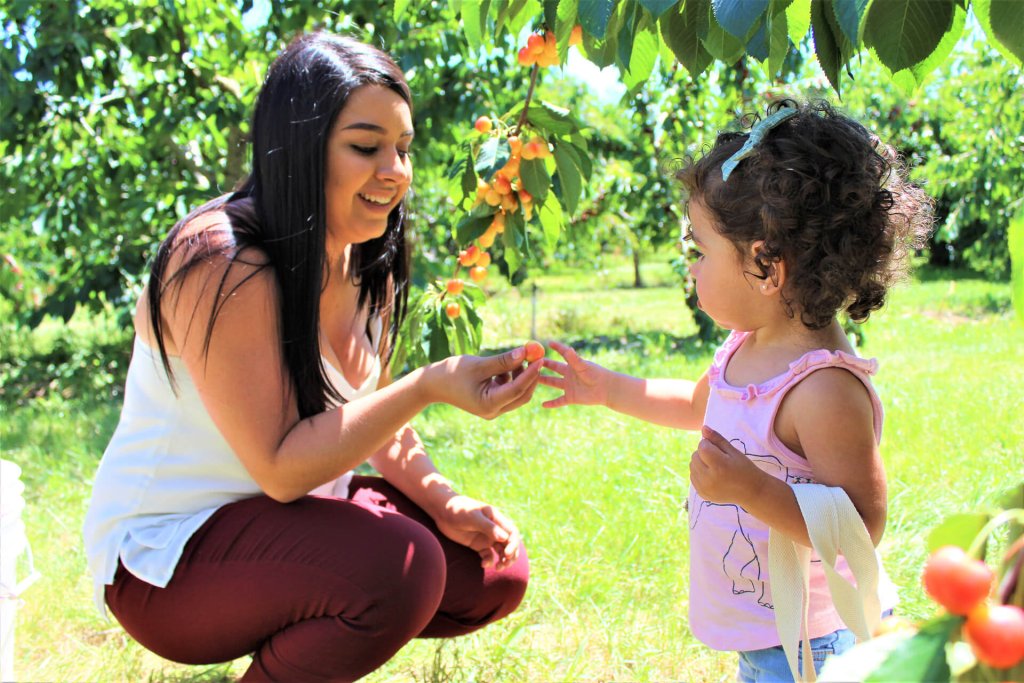
    Bring your own containers, since some farms supply only a few baskets. Check whether the farm charges by weight or by container, and ask about rules for kids and pets. Keep a cooler in the car so berries stay cool on the drive home.

    What Can You Find at a Farm Stand?

    Farm stands sell whatever the fields produce that week, along with eggs, honey, jams, and sometimes flowers. Stands are a good option when you want produce without picking it yourself. Ask what came in that morning, since the best items often sell out first.

    Look for tomatoes, sweet corn, and squash in summer, then shift to root vegetables and greens as the weather cools. Many stands also carry seasonal flowers, which make a simple gift for a host. Cash is still handy at small stands, though many now accept cards.

    Which Farm Areas Are Easiest to Reach?

    Farms north and east of town are often a short drive from downtown Vancouver, though rural roads can be slow. Ridgefield and Battle Ground areas sit along scenic routes, with more open farmland than city blocks. Plan your route with a map, not just a phone’s shortcut.

    Pair a farm visit with the Cathlapotle Plankhouse at Ridgefield National Wildlife Refuge for a full morning. Check the refuge’s current hours and trail conditions before you go. Bring binoculars if you have them, since wildlife viewing can be rewarding.

    What Should You Know About Picking Responsibly?

    Pick only the crops the farm opens for picking, and stay inside the marked rows. Trampling plants or picking from closed areas can hurt next season’s yield. Follow posted signs and ask staff if you’re unsure where you’re allowed to go.

    Take only what you’ll eat or preserve, and leave gates closed. Farms are working properties, so keep dogs leashed or leave them at home. Small courtesies go a long way on a busy weekend.

    Can You Preserve Your Harvest at Home?

    Yes, freezing and drying are the easiest methods for most home cooks. Berries freeze well on a tray before bagging, and herbs keep their flavor when frozen in oil or water. Canning takes more time, so follow a tested recipe. University extension services publish tested guides.

    Label bags with the date and crop, since frozen fruit can look similar. Use frozen berries in smoothies, pies, or sauces for the best quality over the coming months.

    Frequently Asked Questions

    Do I Pay by the Pound or by the Container?

    Pricing depends on the farm, so ask before you start picking. Some farms charge by weight, while others use a flat price per container. Confirm which method applies, and whether they accept cards or cash. Keeping a rough tally as you go helps you avoid surprises at the checkout.

    Can Kids Come Along on a U-Pick Visit?

    Many farms welcome families, and children often enjoy finding the ripest fruit. Rules differ, so check whether small children are allowed in fields. Choose easier rows for little ones, and keep an eye on footing. Bring a shaded spot and snacks for breaks.

    How Long Should Fresh Produce Last?

    Most berries last only a few days, so eat or freeze them soon after picking. Winter squash keeps for weeks in a cool, dry spot, while tomatoes are best eaten within a few days. Refrigerate leafy greens and wash produce just before eating. Ask the farm staff for storage tips specific to each crop.

  • The Vancouver WA Food Scene: Where and What to Eat

    The Vancouver WA Food Scene: Where and What to Eat

    Vancouver’s food scene leans toward Pacific Northwest comfort cooking, with a growing mix of global flavors. Good meals turn up in downtown blocks, older commercial districts, and neighborhood strips across town. This guide explains which dishes to order, which neighborhoods to explore, and how to eat well without wasting time.


    What Dishes Define Pacific Northwest Eating Here?

    Columbia River salmon is the region’s signature protein, and it appears on many menus in season. Dungeness crab, a Pacific Coast favorite, also shows up on seafood plates. Look for huckleberries and marionberries in summer desserts, and try a fresh berry pie when they’re in peak season.

    Ask about the catch or the farm source. Many kitchens are proud to name where their salmon or produce came from. Seasonal menus change often, so a dish you love in August may disappear by October. Order it when you see it.

    Which Neighborhoods Are Best for a Dinner Out?

    Downtown Vancouver offers many sit-down restaurants, and several sit within walking distance of the waterfront. Uptown Village offers a more relaxed, neighborhood feel with a mix of casual spots. Salmon Creek and other outer areas tend to have easier parking and family-friendly menus.

    Plan around peak hours. Weekend dinners fill quickly, so reserve early or aim for a late-afternoon table. Many kitchens serve lunch menus too, which lets you sample the same cooking at a calmer pace.

    International food options are part of the mix too. Look at older commercial corridors and strip malls for Asian, Mexican, and other international kitchens. Some of the most satisfying meals come from small rooms with few decorations.

    How Can You Eat Well on a Budget?

    Lunch is often the easiest way to keep costs down. Many restaurants offer shorter or simpler menus at midday, and sharing plates lets you taste more of the kitchen. Look for daily specials, and ask about soup, salad, or half-portion options.

    Remember Washington’s sales tax and tip when you budget. Washington adds sales tax to restaurant meals, so the final bill runs higher than the menu price. Plan for a tip, and check whether the bill includes a service charge for large groups.

    What Should You Eat as the Seasons Change?

    Summer brings berries, stone fruit, and sweet corn to menus and markets. Fall shifts toward squash, apples, and hearty stews. Winter menus lean on braised meats, root vegetables, and warm soups. Seasonal plates usually taste fresher because ingredients travel less, so ask what’s local before you order.

    Dessert is a good place to taste the season. Look for pies, crisps, and cobblers that match whatever fruit is ripe, and be wary of fruit desserts out of season. A simple berry crisp in late summer can be the highlight of the trip.

    Are Farmers Markets Worth a Food Stop?

    Yes, the Vancouver Farmers Market is a good place to sample local food. Vendors sell seasonal produce, baked goods, prepared snacks, and sometimes honey or cheese. Go early for the best selection, and bring cash or a card, since vendor payment options vary.

    Check the market schedule before you go, because seasons and days can change. Pair a market snack with a walk along the waterfront to make a relaxed lunch. Bring a reusable bag and a small cooler if you plan to pick up produce for later. Prepared foods are easiest to enjoy right away, ideally on a bench near the market.

    Is Vegetarian Eating Easy Here?

    Many menus include vegetable-forward dishes, grain bowls, and salads, though options vary by neighborhood. Many kitchens now label vegetarian or vegan items, which makes ordering simpler. Ask the server about substitutions, since sauces and broths can contain animal products.

    Vegetarian eaters should also check whether fried foods share oil with meat dishes. Kitchens are usually happy to explain how a dish is made. The question takes seconds and avoids surprises.

    Frequently Asked Questions

    Do I Need Reservations for Dinner in Vancouver WA?

    Reservations help on weekends, holidays, and busy summer evenings. Smaller spots often keep walk-in seats, so arrive early if you’re flexible. Many restaurants take bookings online or by phone, so check the current process before you go. Groups of six or more may need to book ahead.

    What Is the Best Dish to Try First?

    Start with a seasonal salmon dish if it’s on the menu, since it reflects the region’s river heritage. Pair it with a simple side of vegetables or potatoes. If salmon isn’t available, look for Dungeness crab or a local berry dessert.

    Do Food Trucks Appear Around Town?

    Food trucks appear at breweries, community events, and some weekend markets across Clark County. Locations and schedules change often, so check listings before you plan around one. Weather can also affect when trucks operate, so a quick check of the day’s lineup saves a wasted trip.

  • Exploring the Craft Beer Scene in Vancouver WA: A Visitor’s Guide

    Exploring the Craft Beer Scene in Vancouver WA: A Visitor’s Guide

    Vancouver’s craft beer scene is built around small-batch brewers, friendly taprooms, and Pacific Northwest hops. Taprooms are spread across downtown, neighborhood districts like Uptown Village, and nearby towns, so plan your route by neighborhood. This guide shows you how to find good beer, order wisely, and get home safely.

    What Makes Pacific Northwest Beer Stand Out?

    Pacific Northwest brewers are known for hop-forward beers, especially IPAs, which showcase citrus, pine, and tropical aromas. Washington grows a large share of the nation’s hops, so local brewers have easy access to fresh varieties. Expect bright, aromatic pours, but also look for lagers, stouts, and sours.


    Hazy IPAs are popular, but don’t skip the pilsner. A well-made lager shows off clean fermentation and balance, which is harder to hide than hops. Ask the server which beer the brewer is proudest of this season. Many taprooms rotate small batches, so a recommendation can lead to a better pint than the menu’s top seller.

    Taprooms tend to be spaced far apart. Use a map and count drive time, not just distance. Rural roads can slow you down, especially after dark.

    How Do You Plan a Brewery Route?

    Group breweries by neighborhood to cut down on driving. Downtown is the easiest area for walking, while suburban taprooms usually need a rideshare or designated driver. Check each taproom’s current hours, since they often differ on weekdays and weekends. Plan two or three stops, and eat food between pours.

    A flight is the best way to compare beers in one sitting. Ask for smaller pours if you want to try more styles. Taprooms usually welcome that, and it keeps your afternoon fun instead of heavy. Water between samples helps too.

    How Can You Drink Responsibly on a Beer Trip?

    Pace yourself and plan your ride before the first sample. Most taprooms serve by the pour, and a flight of four or five small glasses adds up faster than it seems. Drink water, eat a real meal, and set a stopping point. Designated drivers and rideshare apps are the simplest way to keep the trip safe.

    Washington’s legal drinking age is 21, and servers may check identification. Please drink responsibly, and never drive after drinking, even after a single small pour. Enjoy the beer, and leave the car at home.

    Where Should You Look for Beer Beyond Downtown?

    Outer neighborhoods and nearby towns often have taprooms with larger rooms, patios, and family-friendly tables. Look toward Camas, Ridgefield, and Salmon Creek when you want more space and a slower pace. Expect a different mood than downtown, which many visitors enjoy after a busy day of sightseeing.

    Check current hours and the taproom’s policy on outside food before you go. Many spots welcome food trucks or outside takeout, but rules vary. A quick look at the posted menu will help you plan.

    What Should You Buy to Take Home?

    Cans travel better than glass, and many brewers sell them in four-packs or single cans. Growlers and crowlers are another option, but check freshness dates. Ask staff how long a fill will keep before you pack it. Hop-forward beers taste best when fresh, so buy them close to your trip home.


    Washington sales tax applies to beer bought in state, so add it to your budget. Pick what you enjoy most, and let your own palate guide the choice.

    What About Non-Alcoholic Options?

    Many taprooms now pour non-alcoholic beers, sparkling waters, and house-made sodas. Some breweries also offer root beer or ginger beer for designated drivers. Ask the bartender what’s available, since selection changes with the season and the menu. Non-alcoholic options are a smart choice for anyone pacing a long day.

    Non-alcoholic beer has improved a lot in recent years, so it’s worth a try even if you’re not driving. Order a flight of two or three options to compare. You may be surprised how much flavor you find.

    Frequently Asked Questions

    Do I Need a Designated Driver for a Brewery Tour?

    Yes, a designated driver or rideshare is strongly recommended for any brewery tour. Even small pours add up across several stops, and sampling a few styles can surprise you. Plan your ride home before your first sample, and arrange a pickup point that’s easy to reach.

    What Is the Best Way to Learn Beer Styles?

    Start with a flight that includes a lager, an IPA, and a stout. Compare the aromas and bitterness side by side, and note what you like. Ask the server for a short description of each beer. Taking brief notes helps you find favorites on your next visit.

    Are Brewery Tours Free in Vancouver WA?

    Most taprooms don’t charge admission, and you pay only for the beer you order. Some breweries offer paid tours, tastings, or special events, so check before you go. Prices and policies change, so confirm details on the day you plan to visit.

  • Wine Tasting in Clark County: A Visitor’s Guide to Vancouver WA

    Wine Tasting in Clark County: A Visitor’s Guide to Vancouver WA

    Clark County wine tasting happens mostly in rural stretches north and east of downtown Vancouver, where vineyards sit beside farmland. This guide explains where to start, what to taste, and how to plan a safe afternoon. Expect relaxed rooms, friendly staff, and a mix of local and Washington-grown bottles.

    Where Are the Wineries Clustered in Clark County?

    Many wineries sit in the northern part of the county, including areas around La Center and Ridgefield, with more scattered tasting rooms toward Battle Ground. Because the drives are longer than a downtown walk, plan a loop of two or three stops rather than a long list. Check the map before you go, since rural roads can be winding.

    Start with a loop instead of a long list. Two or three tasting rooms in one afternoon gives you time to compare styles without rushing. Ask whether tasting fees are waived with a bottle purchase, since some rooms do this. Plan a midday meal between stops, and keep water handy. Rural roads can be slower than city streets, so allow extra time for every leg.

    Which Washington Wines Should You Taste First?

    Washington’s wine reputation rests on reds such as Cabernet Sauvignon, Merlot, and Syrah, plus whites like Riesling and Chardonnay. Much of the fruit comes from the Columbia Valley, a large appellation that covers much of central and eastern Washington. Clark County tasting rooms often pour a mix of local and Washington-sourced wines.

    Don’t feel pressured to memorize every appellation. Instead, notice what you enjoy. Bright, crisp whites often suit warm afternoons on a patio. Fuller reds with dark fruit may appeal more on cooler evenings. Tasting staff usually enjoy questions about style, so ask them to point you toward something you’d never pick from the label.

    How Can You Taste Without Overdoing It?

    Use the spit cup, pace yourself, and eat something before you arrive. Small pours and plenty of water keep the afternoon enjoyable. Washington’s legal drinking age is 21, and tasting rooms check identification. Plan a designated driver or ride service before the first pour, not after.

    Spitting feels odd at first, but it’s the smart move on a multi-stop day. Staff tend to appreciate guests who ask questions and pace themselves. Hours change by season and day, so check the current schedule before you leave the house. Please drink responsibly, and never drive after tasting, even if the pours felt small.


    What Should You Bring for a Clark County Wine Day?

    Pack a refillable water bottle, a light layer for the evening, and a snack. Many rural tasting rooms have gravel lots and outdoor patios, so comfortable shoes are a smart choice. A tote bag helps when you start buying bottles for the trip home.

    Bottles are heavy, so plan your buys for the last stop. Washington sales tax applies to purchases made in state, so factor it into your budget. Oregon has no general sales tax, which is worth knowing if you shop across the river, though a wine trip doesn’t need to become a shopping trip.

    Can You Combine Wine Tasting With Other Local Stops?

    Yes, and pairing a tasting loop with another stop makes a full day. A riverside walk, a farm stand, or a visit to the Cathlapotle Plankhouse at Ridgefield National Wildlife Refuge all fit well into a northern route. Plan these as separate stops rather than cramming them into one hour.

    Keep the late afternoon flexible. A relaxed dinner after your last tasting works better than a packed schedule. Check seasonal events, since some wineries host live music or food trucks on weekends, and those dates can change without much notice.

    When Is the Best Time to Taste in Clark County?

    Late spring through early fall offers the most comfortable conditions for patio tastings. Summer weekends draw the biggest crowds, so weekday visits offer a calmer pace. Winter tastings suit cozy indoor rooms and fuller-bodied reds. Rainy days are common in the Pacific Northwest, so check the forecast and pack a jacket.

    Harvest season in the fall can bring a lively mood to many vineyards, and some rooms hold seasonal pours. Check the calendar before you go, since events differ from one winery to the next. Bring a light jacket for evening patio time.

    Frequently Asked Questions

    Do I Need Reservations for Wine Tasting in Clark County?

    Many tasting rooms welcome walk-ins, but weekends and sunny holidays can fill up fast. Some wineries require reservations for groups or private tastings. Check each winery’s current policy and hours before you go, since schedules shift with the season. A quick phone call or message is the easiest way to confirm.

    Is Wine Tasting Free in Clark County?

    Tasting fees vary by room, and many rooms credit or waive the fee when you buy a bottle. Premium flights and reserve pours usually cost more than a standard tasting. Ask about pricing when you arrive, so there are no surprises. Consider a tip when staff guide you through a longer flight.

    Can I Ship Wine Home From Washington?

    Shipping rules depend on the carrier and the state you’re shipping to, so check before you buy. Some tasting rooms ship, while others only ship to certain states. Some states restrict direct-to-consumer wine shipments. Ask staff how packing and delivery work, and keep your receipt for reference.

  • Annual Events and Festivals in Vancouver WA Through the Year

    Annual Events and Festivals in Vancouver WA Through the Year

    Vancouver, Washington, and Clark County host a steady calendar of festivals, markets and community events. Most major events cluster in summer and fall, though each season has something worth planning around. Confirm current dates with organizers, since events change from year to year.

    What Events Happen in Spring?

    Spring brings plant sales, garden tours, arts walks and community clean-ups to Vancouver and Clark County. Timing varies from year to year, and many events run on weekends from March through May. Confirm dates with organizers before you plan a visit.

    Spring events often suit families and gardeners who want outdoor time without summer crowds. Dress for changing weather and bring a folding chair if you plan to sit. Arrive early for popular plant sales, since good stock can sell out.

    Which Summer Festivals Are Worth the Trip?

    Summer is a busy season for festivals, with concerts, county fair activities, farmers markets and food events across Clark County. Many outdoor events take place at parks, waterfront venues and fairgrounds. Expect heat, crowds and limited parking, and plan your arrival time with care.

    Pack sunscreen, water and a refillable bottle, since many events have limited shade. Check bag and cooler rules before you go, because policies differ by event. Early evening often brings cooler temperatures and better photo light.

    What Fall Events Should You Plan Around?

    Fall brings harvest celebrations, pumpkin events and community craft fairs to the area. Many of these events happen in September and October, with some extending into November. Confirm dates and locations with organizers, since weather and schedules can shift. Many also pair well with a farm stop or a riverside walk.

    Fall events are often smaller and more local than summer festivals. Wear layers, bring a thermos and expect muddy grounds after rain. Parking can be easier on weekday evenings than on weekend afternoons.

    Are There Winter and Holiday Events?

    Winter events in Vancouver often center on holiday markets, light displays and community concerts. Most of these happen from late November through December. Dates, hours and locations change yearly, so confirm details with the organizer before you go. Check whether tickets are needed for popular light nights.

    Bring warm layers and a flashlight for evening walks. Holiday crowds can be large, so arrive early and use a predetermined meeting spot. Keep kids close and plan a warm-up stop nearby.

    Which Heritage and History Events Are Popular?

    History-focused events at Fort Vancouver National Historic Site and other local heritage sites often include living history demonstrations and reenactments. Program schedules vary by season, so check the site’s current calendar. Many events suit families and visitors who enjoy learning hands-on.

    Arrive early for demonstrations, since seats and viewing spots can fill. Wear comfortable shoes, because historic grounds involve walking on uneven paths. Bring questions, as staff and volunteers often enjoy sharing local history.

    How Can You Find Current Event Listings?

    The most reliable event details come from the organizers themselves. Local visitor information offices, community calendars and park websites are common sources. Check listings close to your visit, since dates, times and cancellations can change at short notice. Sign up for organizer newsletters if you plan several visits.

    Plan ahead for weekend events, since parking and lodging can fill quickly. Build flexibility into your schedule in case weather shifts. Keep a backup indoor plan for rainy days. Ask locals for their favorite seasonal traditions.

    Are Events Accessible for All Visitors?

    Many larger events offer accessible viewing areas, restrooms and paved routes, but details vary. Parks and historic sites may have uneven ground or gravel paths. Contact organizers in advance if you need accommodations, such as seating or ramps. Ask about service animal policies and quiet areas.

    Arrive early to secure a spot near paved paths, and consider a shorter visit if crowds are heavy. Bring a folding seat if you need one, and check whether event staff can help with drop-off points.

    Frequently Asked Questions

    When do most annual events happen in Vancouver WA?

    Most annual events in Vancouver and Clark County cluster from late spring through fall, with a smaller holiday season in winter. Summer and early fall tend to be the busiest stretches. Dates change year to year, so confirm each event with its organizers before planning.

    Are most local festivals free to attend?

    Admission varies widely, and many community events are free or low-cost. Concerts, food festivals and ticketed exhibits often charge entry or parking fees. Check the organizer’s details for current admission, since pricing and policies change from year to year. Bring a little cash in case a vendor or booth lacks card service.

    Is it worth planning a trip around a single event?

    Yes, if a festival or market is central to your interests, building a trip around it can be rewarding. Pair the event with nearby attractions such as riverfront walks or historic sites. Have a backup plan in case dates shift or weather interferes.

  • Golfing in Vancouver WA and Clark County: What Visitors Should Know

    Golfing in Vancouver WA and Clark County: What Visitors Should Know

    Clark County has a solid mix of public golf options for visitors, ranging from short courses to full-length layouts. Pacific Northwest weather, booking habits and local course rules all shape a good round. Here is what to know before you tee off.


    When Is the Best Time to Golf Locally?

    Late spring through early fall usually offers the driest and most comfortable conditions for golf in Clark County. Courses can be soggy from fall through spring, so check course conditions before you travel. Early morning tee times often bring the calmest weather and the quickest pace.

    Rain can arrive with little warning in any month, so pack a rain jacket and extra towels. Wet conditions can also affect cart paths and fairways. Ask staff whether carts are restricted on wet days.

    How Should You Book a Tee Time?

    Most public courses take tee time reservations online or by phone, and weekend slots often fill early. Booking ahead gives you more choice of time and group size. Check cancellation rules, since some courses charge fees for late changes. Confirm your group size and cart needs when you book.

    Arrive at least thirty minutes early to check in, warm up and find the practice area. Bring a copy of your confirmation and a valid photo ID if the course asks for one. Dress codes vary, so read the course’s policy before you arrive.

    What Should Visitors Know About Course Etiquette?

    Golf etiquette keeps rounds moving and safe for everyone. Keep pace with the group ahead, and let faster groups play through when appropriate. Repair divots and ball marks, and rake bunkers after you leave them. Turn off loud music and keep phone use to a minimum.

    Stay quiet while others are hitting, and keep carts on paths where posted. Watch for players ahead before swinging, and shout fore if your ball heads toward others. Simple habits make a big difference on busy days.

    Do You Need Your Own Clubs and Equipment?

    Many public courses allow visitors to rent clubs and carts, though availability varies. Renting can save luggage space when you travel by air or car. Ask whether rental sets include a bag, and confirm rental fees before you arrive.
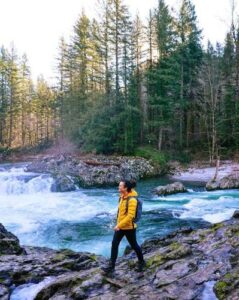
    Bring extra balls, tees and a towel, since local weather can turn quickly. Pack sunscreen and a hat for sunny spring and summer rounds. Check whether your airline or rental car allows golf bags before you book.

    Are Golf Lessons or Practice Ranges Available?

    Many local facilities offer practice ranges, and some provide lessons for beginners and returning players. Lesson formats range from single sessions to multi-week programs. Ask about group options, which often cost less than private instruction. Check ranges for covered bays, since rain can make open ranges uncomfortable.

    A short practice session before your round helps you warm up and adjust to local conditions. Many visitors use the range to test a new club, which is smart if you are renting. Arrive with time to spare so you are not rushing.

    How Much Should You Budget for a Round?

    Green fees vary widely by course, time of day and season, so compare options before you book. Public courses often offer twilight or off-peak rates. Confirm what is included, such as carts, range balls and taxes. Ask whether the course offers discounted rates for juniors or seniors.

    Plan for total cost, including food, parking and any cart rental. Check for cancellation policies and deposits before paying. Compare two or three courses, and pick the one that fits your skill level and schedule.

    Is Golf Practical Without a Car?

    Many courses are located away from downtown, so a car is the easiest option. Some visitors share rideshare or taxi trips with their group. Public transit options are limited in some areas, so plan ahead. Confirm transport options and drop-off points before you book.

    Bring golf bags in a protective cover, and check whether your driver can fit them. Ask the course about shuttle or caddie services if they are offered. Plan a pickup time that gives you margin after your round.

    Frequently Asked Questions

    Do I need a golf handicap to play at public courses?

    Most public courses do not require a handicap, so visitors can usually book and play. Some courses may ask about your skill level or request a score for competitive events. Check the course’s policy when you book, since requirements can differ.

    Is golf playable during the rainy season?

    Yes, golf is playable in much of the rainy season, though conditions can be soggy. Dress in waterproof layers, bring towels and plan for slower play on wet fairways. Check course conditions before you travel, since some days are better left for the range.

    Can I walk the course or must I ride?

    Many courses allow walking, though some restrict carts or walking during certain hours. Walking suits players who want exercise and a slower pace. Check policies before booking, and wear shoes with good traction on wet grass. Carry water and snacks for the full distance.

  • Beginner-Friendly Hiking Trails Near Vancouver WA for First-Time Hikers

    Beginner-Friendly Hiking Trails Near Vancouver WA for First-Time Hikers

    Vancouver, Washington, has several easy hikes within a short drive of town. Flat, well-marked trails near the Columbia River and local lakes suit first-timers and families. Here is what to expect and how to prepare.

    Which Trail Is Easiest for a First Hike?

    Flat loops around lakes and wetlands are typically the easiest choice for beginners. The trails at Ridgefield National Wildlife Refuge are generally level, and they offer wildlife viewing along the way. Pick a trail that matches your fitness and stop whenever you need a break.
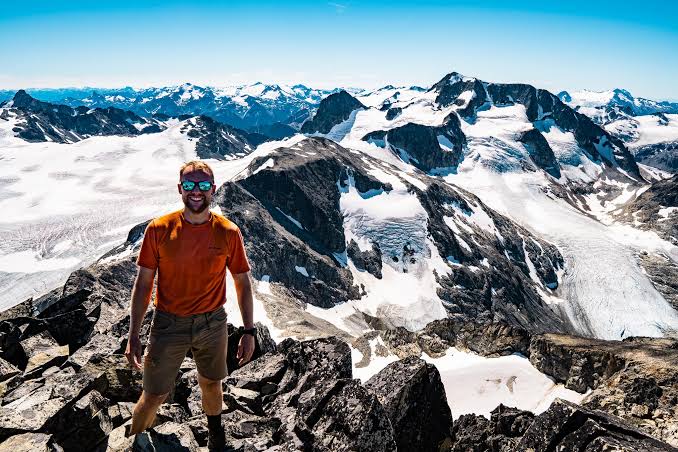
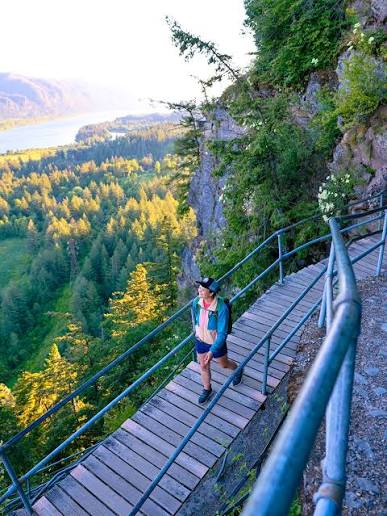
    Start with a route of one to two miles, then build up as your confidence grows. Wear closed-toe shoes with good tread, and carry water even on short walks. Check trail conditions before you leave, since mud and closures can change the route.

    Is Lacamas Heritage Trail a Good Beginner Hike?

    The Lacamas Heritage Trail in Camas is a multi-use path with gentle grades and lake views. It suits walkers, joggers and strollers who want an easy outing. Expect shared use with cyclists, so stay alert and keep to one side.

    Parking is available at several access points, though lots can fill on sunny weekends. Bring a light layer, since shade is limited in open sections. Pause often to look at the water and listen for birds.

    Are Columbia Gorge Trails Suitable for Beginners?

    Some Columbia Gorge trails offer short, moderate walks with river views and waterfalls. Cape Horn, on the Washington side, has wooded paths with views over the river. Choose a shorter loop, since steep sections and uneven footing appear on many Gorge routes.

    Gorge trails often have steeper climbs than lakeside paths. Start early in the day, since parking and trailheads fill quickly on fair-weather weekends. Carry water, sunscreen and a light layer. Check parking rules and any required passes before you go.

    What Should Beginners Bring on a Short Hike?

    A small daypack with water, snacks and a basic first aid kit covers most short trips. Add a map or downloaded trail details, plus a light jacket for changing weather. Hikers who prepare for basic needs tend to enjoy the trail more.

    Tell someone your route and expected return time. Keep phone batteries charged, and turn on location sharing if you use it. Trails can have poor signal, so do not rely solely on your phone for navigation.

    How Can Families Hike with Young Children?

    Families can enjoy short, level trails with frequent stops and plenty of things to see. Stroller-friendly paved paths work well for toddlers, while older kids enjoy trails with wildlife and water. Plan a snack break at a shady spot. Carry a small carrier for tired legs.

    Let kids lead short sections and point out animals or plants. Keep little ones close near water and drop-offs. Turn back early if energy runs low, since ending on a good note keeps hikers eager for the next trip.

    What Trail Etiquette Should Hikers Know?

    Trail etiquette keeps paths safe and enjoyable for everyone. Hikers going uphill generally have the right of way, and bikers should yield to walkers. Stay on marked trails to protect plants and soil. Step aside for faster groups and keep voices calm.
    Pack out all trash, including fruit peels and tissues. Keep dogs leashed where required, and clean up after them. Give wildlife plenty of space, and never feed animals. Pack a small bag for waste.

    Do You Need a Pass to Park at Local Trails?

    Some Washington state-managed lands require a parking pass, while many city and county trails do not. Rules vary by site and can change, so check the managing agency before you park. Keep any pass visible on your dashboard when you park your vehicle.

    Parking lots at popular trailheads can fill by mid-morning on weekends. Arrive early, or choose a shorter trail with a smaller lot. Avoid parking on road shoulders where signs prohibit it. Reserve a few extra minutes to find a space.

    Frequently Asked Questions

    What is the easiest hike near Vancouver WA?

    Flat, paved or well-maintained gravel paths are usually the easiest options. Lake loops and wildlife refuge trails are common choices for first-timers. Start with a short out-and-back route, then try a longer loop once you feel comfortable on the terrain. Check current conditions before you go.

    How long does a beginner hike usually take?

    Many beginner trails take roughly one to two hours round trip, depending on pace and stops. Families with young children often need more time for breaks and wildlife watching. Plan a little extra time, and check trail details before you leave, since distances can vary.

    Do I need hiking boots for an easy trail?

    Not always, but closed-toe shoes with good tread are a safe choice. Light trail shoes work well on gravel and dirt paths. Heavier boots help on muddy or uneven ground, especially during the wetter months of the year. Break in new footwear before a long hike.

  • The Best Cycling Routes in Vancouver WA for Every Skill Level

    The Best Cycling Routes in Vancouver WA for Every Skill Level

    Vancouver, Washington, is a practical place to ride, with river paths, lakeside loops and quiet neighborhood streets. Riders can find flat routes for families and longer rides for experienced cyclists. Here are routes worth trying and tips for riding safely.

    Which Route Is Best for Beginners?

    Flat, paved paths are the best starting point for new riders. The Columbia River Renaissance Trail offers a mostly level, paved corridor along the waterfront with river views. It suits short rides, family outings and relaxed practice sessions. Start at a point with easy parking and turn around when you feel ready.

    Ride at a conversational pace, and stay to the right of the path. Use a bell or a friendly voice when passing pedestrians. Helmets are strongly recommended, and they are a simple way to protect your head.

    Is Lacamas Lake a Good Cycling Loop?

    Lacamas Lake in Camas offers scenic lakeside riding with water views. Many riders use the surrounding trails for steady, moderate rides. Expect some shared space with walkers and runners, so keep your speed moderate near busy sections. Check current trail maps before you go, since segments can change.

    Some sections may include gentle grades that challenge riders who are new to hills. Bring water and a basic repair kit, since services can be limited on quiet sections. Park in designated lots and lock your bike securely.

    Which Routes Work Best for Longer Rides?

    Experienced riders can combine river trails, neighborhood streets and quieter county roads for longer loops. Plan routes with a map app and check traffic patterns on busy arterials. Riders should carry a repair kit, a pump and enough water for the full distance.

    Bridge crossings can involve busy traffic and specific access rules, so check current options before planning a route that crosses the river. Wear bright clothing and use lights after dusk, since autumn evenings get dark early.


    Where Can Families Ride Together Safely?

    Quiet paths and flat neighborhood streets suit family rides best. Shared paths with clear sightlines help parents keep kids in view. Practice starts and stops in an empty parking area before heading onto busier routes. Choose routes with shade and a planned rest stop.

    Equip children with properly fitted helmets and bright clothing. Teach hand signals and stopping habits at home first. Carry snacks and water, and plan turnaround points before you leave. Ride together and keep a steady pace.

    Are Bike Rentals and Shops Easy to Find?

    Bike rental and repair options are available in and around Vancouver, though availability varies by season. Local bike shops can help with tune-ups, tire repairs and route tips. Call ahead or check current hours before you visit a shop. Bringing your own bike is easiest for most visitors.

    If you plan to rent, ask about helmets, locks and whether the rate includes a map. Confirm pickup and return locations, and test the bike before leaving the lot. Rental policies differ, so read the terms closely.

    Which Season Works Best for Cycling Here?

    Late spring through early fall is the most comfortable riding window in Vancouver, though rain can occur in any month. Summer offers long daylight, while spring and fall bring cooler air. Check the weather before each ride, since wind and rain change quickly.

    Mornings are often calm and cool, which suits longer rides. Afternoon winds can pick up near the river, so plan the return leg with that in mind. Dress in layers and bring a light rain jacket.

    What Safety Rules Should Cyclists Know?

    Washington law gives cyclists the same general rights and duties as other road users. Ride with traffic, signal turns and obey stop signs and signals. Use lights and reflectors at night, since visibility drops quickly after sunset. Confirm current rules with state resources.

    Ride single file when traffic is present, and use hand signals. Check your brakes and tire pressure before each ride. Wear a helmet, and consider carrying a phone for emergencies.

    Frequently Asked Questions

    Is Vancouver WA a good city for cycling?

    Vancouver has a growing network of river paths, neighborhood greenways and quieter roads that suit many riders. Routes vary in difficulty, so beginners should start on flat, paved trails. Experienced cyclists can link several routes for longer, varied rides. Check current conditions before each ride.

    Do I need a helmet to ride in Washington?

    Helmets are strongly recommended for every rider, regardless of age or distance. Rules can differ by age, so check current Washington law before you ride. A properly fitted helmet protects against common head injuries in falls and collisions. Replace helmets after a hard impact.

    Can I bring my own bike on a trip to the area?

    Yes, bringing your own bike is the simplest option for most visitors. Pack a repair kit, tire levers and a pump, since shops may not be open when you need them. Lock your bike at designated racks, and avoid leaving it unattended in quiet areas.

  • Fishing Spots in and Around Vancouver WA: Where Anglers Go

    Fishing Spots in and Around Vancouver WA: Where Anglers Go

    Anglers in Vancouver, Washington, have options ranging from quiet lakes to the mighty Columbia River. Freshwater species and seasonal salmon and steelhead runs keep the local scene busy through much of the year. Before you cast, check current Washington Department of Fish and Wildlife rules and licensing requirements.

    Is Vancouver Lake a Good Place to Fish?

    Vancouver Lake is a popular spot for bank and boat anglers in the lowlands west of town. Anglers commonly target warmwater species such as bass and panfish, though availability varies with the season. Confirm which species are open, and any size or catch limits, in the current state regulations before you fish.

    Plan around wind, which can make the lake choppy by afternoon. Bring a small tackle box, a net and a bag for trash. Pack out everything you bring. Facilities vary by area, so plan ahead.

    Where Can You Fish the Columbia River?

    The Columbia River is one of the region’s best-known fisheries, with salmon, steelhead, sturgeon and other species in season. Anglers fish from shore, boats and bank access points along the lower river. Rules differ by reach, species and season, so verify current WDFW rules, and Oregon rules if you fish the Oregon side.

    Strong currents, shipping traffic and changing water levels make the river demanding. Wear a life jacket on any boat, and watch for commercial vessels. Shore anglers should stay back from slippery banks and steep riprap.

    Which Local Lakes Work Well for Family Fishing?

    Smaller lakes and ponds are often the easiest places for beginners and young anglers. Lacamas Lake in Camas is one local option that anglers visit regularly, with shore access in several spots. Before you go, confirm whether the lake is open to the species you want and whether any closures apply.

    Kids often enjoy simple bobber rigs and quick catches from the bank. Bring a folding chair and sunscreen, since shade can be limited. Teach children to handle fish gently and to release fish safely when rules require it.

    Do You Need a Washington Fishing License?

    Most adult anglers need a valid Washington fishing license, and some species require extra permits or catch record cards. Requirements, fees and exemptions can change, so check the Washington Department of Fish and Wildlife before you buy. Ask about any options that apply to your age or visit length.

    Keep your license and any endorsements with you while fishing. Read the current regulations pamphlet or digital version, since rules include daily limits, gear restrictions and closed areas. Enforcement officers check licenses and catch, so carry proof of purchase.

    What Gear Makes a Good First Fishing Trip?

    A basic setup works well for most local waters. A medium spinning rod, a small tackle assortment and a landing net cover many common situations. Ask at a local shop about what is currently biting, and keep your tackle simple.

    Pack sunscreen, water, a first aid kit and a pair of pliers. Use barbless hooks where allowed, and handle fish with wet hands. Release undersized fish quickly when rules call for it.

    How Do You Fish Responsibly Near Vancouver?

    Responsible anglers follow regulations, protect habitat and respect other users. Keep only the fish you are legally allowed to keep, and release the rest with care. Stay on designated access points to protect banks and shoreline vegetation. Pack out all line, bait containers and trash.

    Discarded fishing line can trap birds and wildlife, so dispose of it in proper bins or take it home. Clean up after yourself, and never leave hooks or bait behind. Good habits help keep local fisheries healthy for the next season.

    Which Season Is Best for Fishing Near Vancouver?

    Spring and fall are popular seasons for many local anglers because water temperatures are moderate and fish are often active. Seasons for salmon, steelhead and sturgeon are set by regulators and can change yearly. Check the current WDFW season schedule for each species before planning a trip.

    Early mornings and evenings often produce the most activity on warm days. Wind and weather can shift quickly in spring and fall, so bring layers and a rain shell. Keep a fishing log to track what works at each spot.

    Frequently Asked Questions

    Do I need a license to fish at Vancouver Lake?

    Most adult anglers need a valid Washington fishing license to fish at Vancouver Lake, and the same rule applies on the Columbia River on the Washington side. Requirements can change, so confirm the current rules with the Washington Department of Fish and Wildlife. Keep your license with you, and buy it before you start fishing.

    What is the best time of day to fish locally?

    Early morning and late evening often bring the most activity, especially on warm days. Midday can slow down as the sun rises high. Weather, water temperature and season all affect results, so local conditions matter as much as clock time. Try different spots if one goes quiet.

    Is fishing from the Columbia River bank safe for families?

    Shore fishing can be family friendly when you stay back from steep, slick banks. Keep children within sight and away from the water’s edge. Strong currents and sudden wakes from passing boats can catch people off guard, so choose calm spots. Wear footwear with grip.

  • Kayaking and Paddleboarding in Vancouver WA: Where to Launch and What to Know

    Kayaking and Paddleboarding in Vancouver WA: Where to Launch and What to Know

    Vancouver, Washington, offers paddlers calm lakes, a wide river and quiet sloughs close to town. Beginners do best on sheltered water, while experienced paddlers can explore the Columbia’s current with extra planning. Here is where to start and what safety gear to bring.

    Which Local Waters Are Best for Beginners?

    Calm, sheltered water suits most new paddlers best. Vancouver Lake offers a large, relatively protected area for kayaks and paddleboards, though wind can build in the afternoon. Lacamas Lake in Camas is another popular choice with a quiet, scenic setting. Check wind forecasts before launching.
    Launch from marked access points where parking is available. Wear a life jacket every time you get on the water, even if you are a strong swimmer. Cold water can shock the body, and wind can push you away from shore faster than expected.

    What Gear Do You Need for a Paddle Day?

    Every paddler needs a properly fitted life jacket, a paddle and a way to stay dry. A dry bag keeps phones and keys safe, while a leash keeps a paddleboard tethered to you. Sun protection matters too, since water reflects light and can increase exposure.

    Pack water, a whistle and a phone in a sealed bag. Dress for the water temperature rather than the air, and consider a wetsuit in spring and fall. Let someone on shore know your route and return time.

    Can You Paddle the Columbia River Safely?

    The Columbia River is wide, powerful and busy with commercial traffic, so it demands extra caution. Currents, wind and cold water can change quickly. Beginners should stick to calmer sloughs and lakes, and experienced paddlers should check river conditions and shipping activity before launching.

    Stay out of shipping lanes and give large vessels plenty of room. Wind-driven chop can build quickly on open water, so turn back if waves grow. Tide and river flow can shift throughout the day, so check conditions before each trip.

    Where Can Families Paddle Together?

    Sheltered lakes and quiet sloughs suit families with children who are comfortable in the water. Tandem kayaks and stable paddleboards help newcomers build confidence. Choose short routes at first, and plan a break on shore for snacks and rest. Children should always wear a properly sized life jacket.
    Pick a calm morning, when wind is usually lighter. Bring a towel, extra clothes and sunscreen for everyone. Teach basic paddle strokes and self-rescue on shore before you head out on the water.

    Are Paddle Rentals and Guided Trips Worth It?

    Rentals and guided trips can help visitors who do not own gear. Many outfitters offer lessons, boats and life jackets, which can make a first trip easier. Compare included gear and group sizes before booking. Ask whether the rental includes a life jacket and a dry bag.

    Ask about paddle-friendly launch sites and drop-off times. Confirm whether the rental price includes insurance or a deposit. Good outfitters will brief you on conditions before you leave the dock.

    What Wildlife Might You Spot While Paddling?

    Quiet paddles often reveal great blue herons, ducks and ospreys that stay hidden from shore. Early morning is usually the calmest time, which makes wildlife easier to spot. Keep a respectful distance and never approach nesting birds, since disturbance can cause them to abandon nests.

    Bring a waterproof camera or binoculars in a dry bag. Paddle slowly along the shoreline edges, where wildlife is most active. Stop often and listen, since many birds are easier to hear than to see.

    What Rules Should Paddlers Follow in Washington?

    Washington requires boaters to carry life jackets, and paddlers should check current state boating rules before each trip. Rules can change, so confirm details with official sources. A whistle or signal device is a simple, safety-friendly step.

    Keep a safe distance from fishing boats, swimmers and shoreline wildlife. Paddle with the flow when possible, and avoid crossing busy channels. Stay sober on the water, since alcohol affects balance and judgment faster than most people expect.

    Frequently Asked Questions

    Is it safe for beginners to paddle in Vancouver?

    Yes, beginners can paddle safely on calm, sheltered water with proper gear. Choose a lake or slough on a calm day, wear a life jacket, and start with short trips. Take a lesson or go with an experienced friend, and avoid the Columbia River until you have more experience.

    How cold does the water get, and does it matter for paddlers?

    Local water temperatures stay cool for much of the year, even in summer. Cold water can cause shock and fatigue quickly, so dress for immersion rather than air temperature. A wetsuit or drysuit is worth considering in spring and fall. Check conditions before every trip.

    Can I rent a paddleboard without any experience?

    Many rental options welcome beginners, but you should still ask for a short orientation. Inflatable boards are stable and easy to store, while hard boards handle wind better. Stay near shore, use the leash, and wear a life jacket for your first session.

  • Winter and the Holidays in Vancouver WA: Lights, Wildlife and Cozy Plans

    Winter and the Holidays in Vancouver WA: Lights, Wildlife and Cozy Plans

    Winter in Vancouver, Washington, is mild compared with much of the country, and the holidays bring a festive side to Clark County. Rain is common, but gray days are a good excuse for indoor plans and seasonal events. Here is how to make a winter visit memorable.

    What Is the Weather Like in Vancouver in Winter?

    Winter in Vancouver is usually mild, with cool, damp days and occasional frost. Snow is uncommon in town, though higher elevations nearby can see it. Plan for rain, and pack a waterproof jacket and footwear with good traction. Layers work best indoors and out.

    Daylight is short in December, so schedule outdoor visits for midday. Check the forecast before heading to higher ground, since roads can be icy in cold snaps. Keep a small emergency kit in the car, with a blanket, water and a flashlight.

    Where Can You See Holiday Lights in Vancouver?

    Holiday light displays and decorated neighborhoods appear across Vancouver and Clark County from late November through the New Year. Downtown and waterfront areas make pleasant spots for evening strolls. Displays and hours vary each year, so confirm details with the city or organizers before you go.

    Bundle up for evening walks, since river air feels colder than the thermometer suggests. Bring a thermos of cocoa, and plan a short route with a warm indoor stop at the end. Weekday evenings tend to be calmer than weekend nights.

    Which Winter Wildlife Outings Are Worth the Trip?

    Winter is a strong season for waterfowl watching along the Columbia River. Ridgefield National Wildlife Refuge is a common stop for birders during the colder months. Some birds stay all winter, while others pass through on migration. Bring binoculars, and check current refuge access rules before you head out.

    Quiet mornings give you the best chance to see birds feeding near the water. Dress warmly, because wind off the river can be sharp. Trails can be wet and muddy, so wear waterproof boots and walk slowly to avoid slipping. Winter visits to the refuge often feel quieter than peak seasons.

    How Do You Plan a Cozy Winter Day Indoors?

    Indoor options matter on rainy winter days, which are common in the Pacific Northwest. Museums, libraries and the Fort Vancouver visitor center offer warm places to spend an afternoon. Check hours first, since winter schedules are often shorter. Pick two indoor stops and one outdoor walk to keep the day balanced.

    Local libraries and cafés are easy to find, and many have space for reading or working. Board games, a good book and a warm drink turn a dreary afternoon into a treat. Plan to head home before dark for the safest drive.

    How Do You Stay Safe on Winter Trails?

    Winter trails in Clark County can be slick, muddy and shadowed for much of the day. Shoes with deep treads and trekking poles reduce slips. Turn back if conditions look icy, since a short detour is better than a fall. Tell someone your route before you go.

    Trail closures can happen after storms, so check current status before you leave. Carry a headlamp, since early darkness can catch hikers by surprise. Dogs need extra care on frozen ground. Accessible paved paths are a better choice on icy days.

    What Holiday Events Should You Plan Around?

    Holiday markets, concerts and tree lightings are typical winter events in Vancouver and Clark County. Most take place in late November and December, though dates shift each year. Check event details with organizers, since schedules, locations and admission can change.

    Arrive early for popular holiday markets, and bring cash for small vendors. Keep an umbrella handy, since December evenings can be wet. Plan a return route that avoids crowds at the end of an event. Check whether events require tickets or reservations.

    Frequently Asked Questions

    Does it snow in Vancouver WA in winter?

    Snow is uncommon in Vancouver itself, though it can fall during cold snaps. Higher elevations in the surrounding hills and the Gorge may see snow more often. Check the forecast and road conditions before any drive, since ice can form quickly on bridges and hills.

    Do winter holiday events usually cost money?

    Costs vary widely. Some holiday markets and light walks are free to browse, while concerts, ticketed displays and special experiences often charge admission. Check event pages or contact organizers for current pricing, and ask whether timed tickets are required. Budget for food and parking too.

    Is winter a good season for wildlife watching?

    Yes, winter is a strong season for waterfowl and other birds along the Columbia River. Many species are easier to see when vegetation is thinner. Bring binoculars, stay on marked paths and keep a respectful distance from animals to protect them and yourself.

  • Fall in Vancouver WA: Autumn Color, Harvest Outings and Cozy Days

    Fall in Vancouver WA: Autumn Color, Harvest Outings and Cozy Days

    Fall is one of the most rewarding seasons to visit Vancouver, Washington. Cooler air, changing leaves and migrating wildlife bring a different kind of energy to Clark County. Here is how to make the most of September through November.

    When Does Fall Color Peak in Vancouver?

    Fall color in the Vancouver area usually peaks from mid-October into early November, though timing depends on temperature and rainfall. Maples and other deciduous trees along local creeks and parks turn gold, orange and red. Check current conditions before planning a dedicated leaf trip.
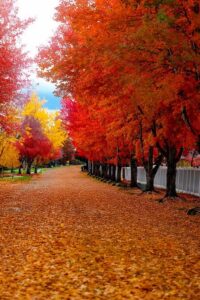
    Hillsides and wooded trails give the best views, and mornings often bring the clearest light. Bring a light layer and a camera with a wide lens. Sturdy shoes help on damp leaves, which can be slippery on steep paths. Golden light makes late afternoon especially photogenic, so arrive before sunset. Pack a thermos of something warm.

    What Are the Best Fall Harvest Outings?

    Farm stands, orchards and seasonal markets around Clark County are at their best in early fall. Local growers sell apples, pears, squash and root vegetables from late summer into autumn. Check hours with each farm before you visit, since seasonal stock changes week to week.

    Pick-your-own orchards may be open in September and early October, depending on the crop. Bring your own containers and cash, since some farms do not take cards. Families often enjoy the seasonal activities at working farms. Ask staff what is ripe right now.

    Which Wildlife Viewing Spots Are Best in Fall?

    Fall is a strong season for waterfowl and migrating birds in the Vancouver area. Ridgefield National Wildlife Refuge and Steigerwald Lake National Wildlife Refuge both draw birdwatchers during the migration months. Early morning and late afternoon bring the most activity, so plan your visit around those windows.

    Waterfowl numbers often rise as temperatures drop, so pack binoculars. Stay on marked paths and keep your distance from wildlife. Quiet visits tend to yield the best sightings. Bring a field guide or a birding app to identify what you see.

    How Can You Enjoy Cozy Fall Days Indoors?

    Rainy fall days are a good excuse for museums, cafés and indoor history. Fort Vancouver National Historic Site and the Pearson Air Museum both offer indoor exhibits suited to cooler weather. Plan one indoor stop per day so your schedule stays flexible when storms roll in.
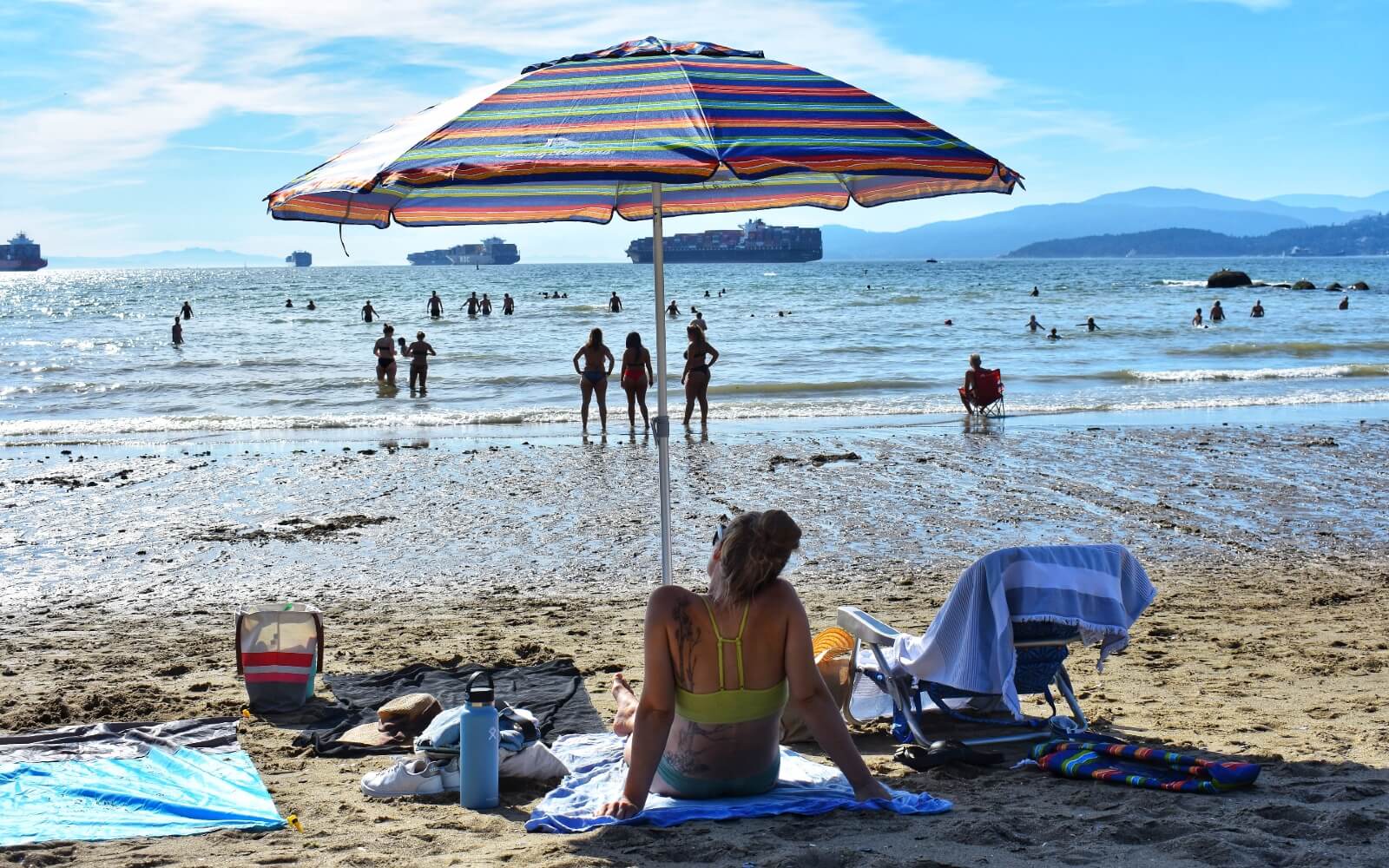
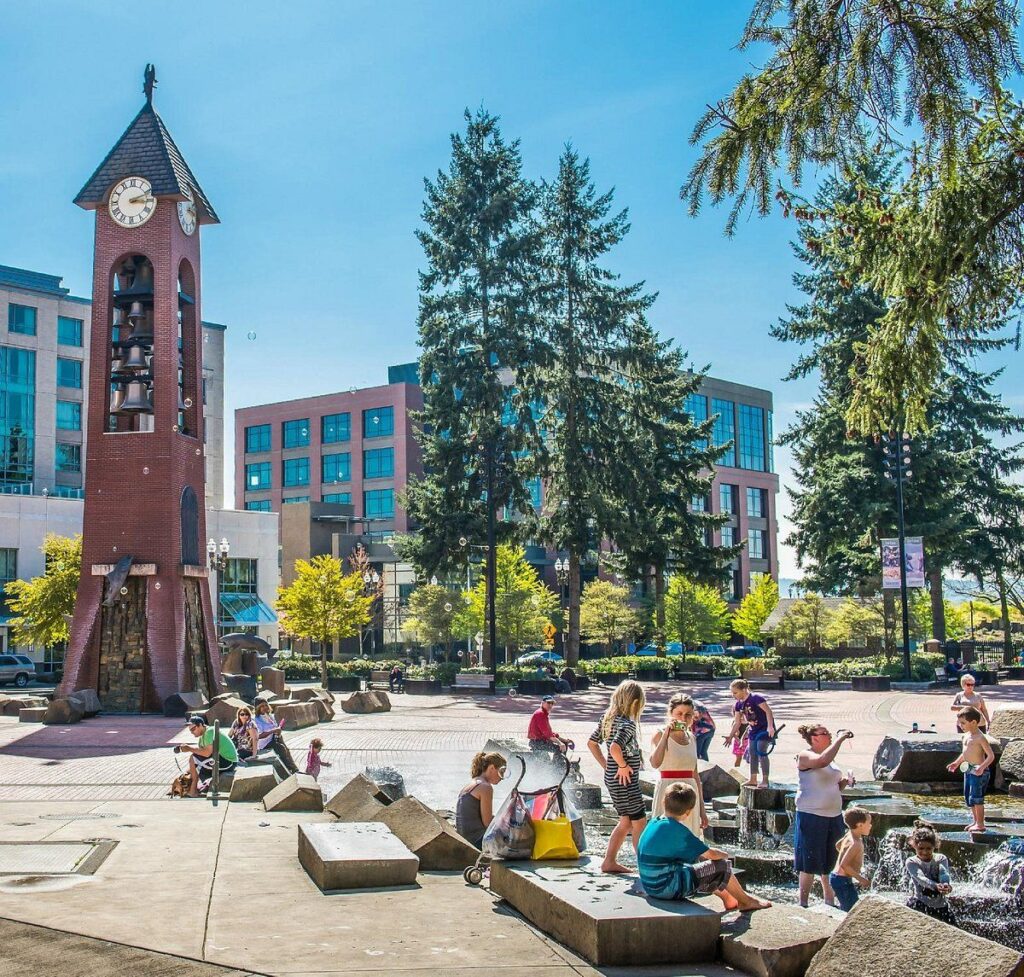
    Cozy days also work well for a slow drive along the Columbia River, with coffee in hand and a playlist on. Check opening hours before you leave, since many attractions shorten their schedules in the off-season. Dress in waterproof layers and pack spare socks.

    What Should You Know About Fall Weather?

    Fall in southwest Washington brings mild daytime temperatures, cooler nights and a steady increase in rain. Clear, crisp days are common in early October, while November often feels damp. Layers, rain gear and a sturdy umbrella will cover almost every fall outing.

    Daylight shrinks quickly after the clocks change in November, so plan outdoor walks for midday. Trails can be muddy and slick after rain, so choose durable footwear. Check current weather alerts before driving on rural roads. Keep an emergency kit in the car, with water and a blanket, for longer drives.

    What Fall Festivals Are Worth Planning Around?

    Fall brings harvest festivals, Halloween events and seasonal craft fairs to Clark County. Dates vary from year to year, and many events tend to cluster on weekends in October. Confirm current dates and locations with organizers before you plan a trip. Give yourself a backup plan in case the weather turns.

    Pumpkin patches, harvest dinners and costume events are common autumn themes. Event lineups change, so the safest approach is to check with organizers. Arrive early for parking and bring a jacket, since evenings get chilly quickly.

    Frequently Asked Questions

    When is the best week to see fall color in Vancouver WA?

    Mid-October through early November usually offers the strongest color, though peaks shift with weather. Cool nights help leaves turn bright, while heavy wind or rain can strip them early. Watch for a stretch of dry, cool days, and plan your outing for the morning or late afternoon light.

    Can I pick my own fruit in fall?

    Some farms offer pick-your-own fruit in early fall, but availability depends on the crop and weather. Open hours and picking rules change often, so check with each farm before you drive out. Bring containers, cash and comfortable shoes, since fields can be muddy after rain.

    Are fall outings safe with young children?

    Fall outings can work well for families, especially on mild, dry days. Shorter walks, fall festivals and farm visits keep younger children engaged. Dress them in bright, layered clothing, and keep close watch near wet paths, steep banks and waterways. Carry a small first aid kit and extra snacks.

  • Summer in Vancouver WA: The Best Warm-Weather Activities

    Summer in Vancouver WA: The Best Warm-Weather Activities

    Summer is a busy season for outdoor fun in Vancouver, Washington. Long, dry days make the Columbia River, local lakes and shaded trails especially appealing. Here are the activities that locals and visitors return to most.

    Which Summer Activities Are Best for Beating the Heat?

    Water is the simplest way to cool off in Vancouver during July and August. Vancouver Lake, a large lake on the west side of town, is a common choice for swimming, paddling and picnics. Swimming areas and staffing change, so check current conditions before you go.

    Bring water shoes, since the lake bottom can be soft in places. Arrive early on hot weekends, because parking and shade disappear quickly. Sunscreen and a hat are essential, and a small cooler helps keep lunch cold through a long afternoon. Pack a picnic lunch to make the outing last.

    Where Can You Walk in the Shade This Summer?

    Shaded forest trails are a good refuge when the afternoon sun is strong. The Gorge area east of Vancouver has forest paths that stay cool under tall trees. Cape Horn, on the Washington side of the Columbia River Gorge, offers wooded trails with river views.

    Trail conditions in summer can be dusty and rocky, so wear closed-toe shoes with grip. Start early in the day to avoid peak heat. Carry more water than you think you need, and tell someone your plans if you are heading out alone. Trails near the Gorge often have steep sections, so read trail descriptions before choosing a route.

    What Summer Evening Activities Are Worth Your Time?

    Summer evenings in Vancouver stay light late, so outdoor plans can run past dinner. Waterfront paths along the Columbia River offer breezes, river views and easy walking. Many visitors bring a blanket for riverside evenings. Confirm any concert or market dates with the organizers before you go.

    Summer sunsets over the river are a highlight, so plan to arrive before dusk. Bring insect repellent for the evening, since mosquitoes can be active near lakes and wetlands. Park early on busy nights, because street parking near popular spots fills quickly.

    Is Fort Vancouver Worth a Summer Visit?

    Fort Vancouver National Historic Site is a strong summer stop for history fans. The site preserves parts of a fur trade post established by the Hudson’s Bay Company in 1825, on the Columbia River. Outdoor grounds and reconstructed buildings make it easy to spend a few relaxed hours.

    Summer brings living history programs at many historic sites, so check the schedule before you arrive. Wear sun protection, since much of the grounds are open. Allow at least two hours if you plan to read the displays and visit the Pearson Air Museum nearby.

    How Do You Stay Safe in Summer Heat?

    Heat safety matters most during the hottest afternoons of July and August. Drink water steadily through the day, and take breaks in shade. Watch for signs of heat exhaustion, such as headache, dizziness or nausea, and move to a cooler spot.
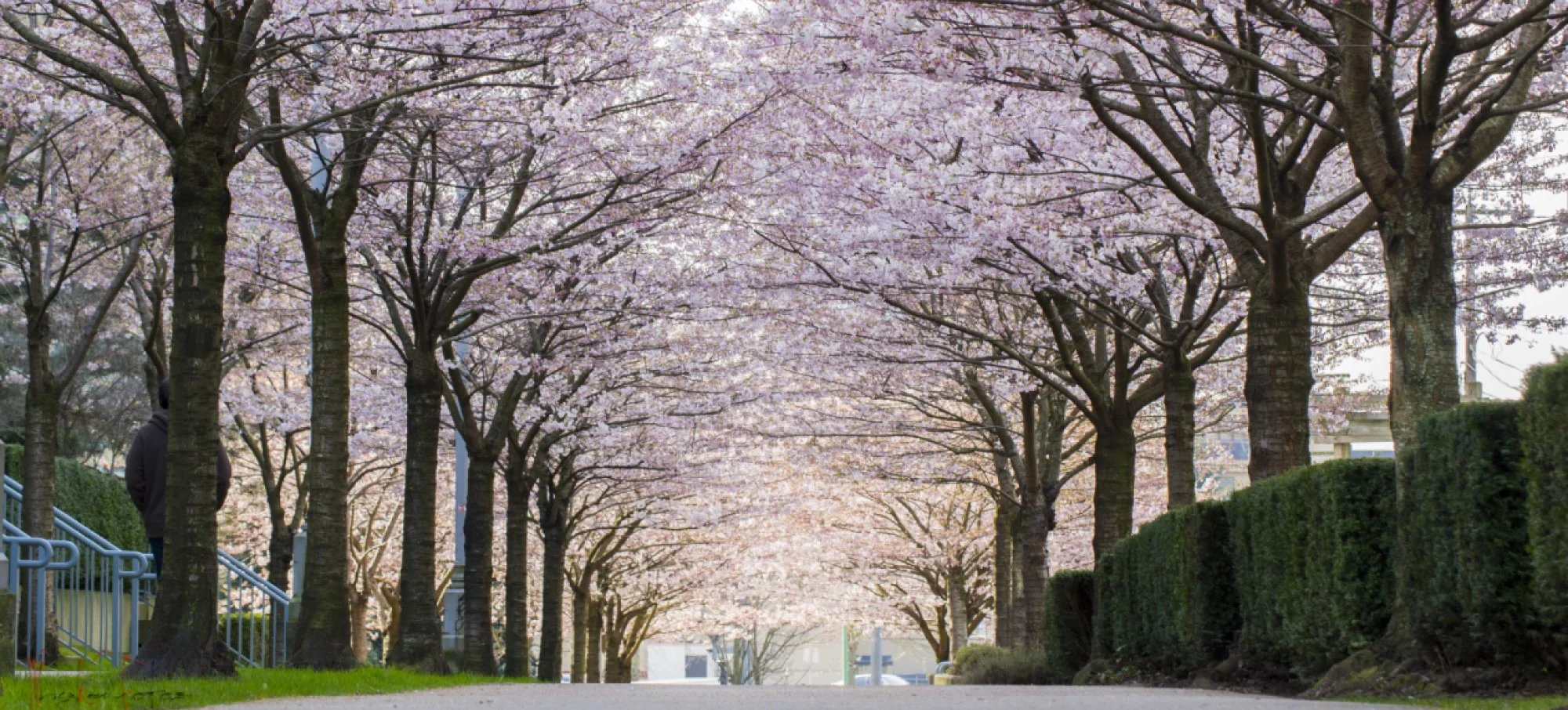
    Water safety deserves equal attention. Never swim alone, and wear a life jacket when paddling or boating. Cold river water can catch strong swimmers off guard, so stay near shore and know where the exits are. Check current river flows and water conditions before any trip.

    Where Can You Find Summer Markets and Events?

    Summer is peak season for farmers markets, outdoor concerts and county fairs in Clark County. Event dates and locations change from year to year, so confirm details with organizers. Plan to arrive early for popular weekend events and bring cash for small vendors.

    Weekday evenings often feel more relaxed than weekends. Check whether events allow dogs, chairs or coolers before you pack. Most organizers post current details online, which is the best place to confirm. Bring a reusable bag for market purchases and a hat for open-air stages.

    Frequently Asked Questions

    What is the best month for summer activities in Vancouver WA?

    July and August bring the most reliable warm weather, but early June and September can be just as pleasant with smaller crowds. Mornings stay cooler than afternoons in every month. Plan water activities for the warmest afternoon hours, and keep long walks for early or late in the day. Confirm event dates with organizers before you travel.

    Do I need to book summer activities in advance?

    Many casual summer activities, such as swimming, picnicking and trail walks, work on a first-come basis. Weekends fill faster than weekdays, so arriving early is the simplest strategy. Some guided trips and classes do require reservations, so check each provider before you plan your day.

    Is summer a good time for families with young kids?

    Yes, summer offers long days, mild evenings and many outdoor options for families. Short walks, splash time at calm water and early picnics suit young children well. Pack sun hats, plenty of water and a change of clothes. Take breaks in shade, and watch kids closely near rivers and lakes.

  • Spring in Vancouver WA: Blossoms, Gardens and Outdoor Outings

    Spring in Vancouver WA: Blossoms, Gardens and Outdoor Outings

    Spring is one of the best seasons to explore Vancouver, Washington, and nearby Clark County. Mild days, blooming trees and active wildlife make March through May especially rewarding. Here is where to go and what to pack.

    When Do the Blossoms Peak in Vancouver?

    Flowering trees in Vancouver usually show color from late March into April, though timing shifts with temperatures each year. Cherry, plum and magnolia blossoms tend to peak within a week or two. Check a local forecast before you go, since a warm stretch can bring blooms early and a cold snap can delay them.

    Tree-lined streets and park paths offer the easiest viewing. Pack a light rain jacket, because spring showers are common in the Pacific Northwest. Dress in layers, since mornings can feel cold even when afternoons warm up. Go in the late morning, when petals catch sunlight and the crowds are thinner.

    Which Gardens Are Worth a Spring Visit?

    Gardens in Clark County come alive in spring as bulbs, perennials and early roses appear. Fort Vancouver National Historic Site, a long-standing landmark on the Columbia River, has grounds that suit a slow walk with a camera. Seasonal beds and grassy lawns make it a relaxed stop before or after a history tour.

    Plan on about an hour for a simple garden stroll, and bring water in case you want to sit. Visit on weekdays if you prefer quieter paths. Pack a small snack if you plan to linger. Keep an eye out for pollinators such as bees, which are busiest on warm, sunny afternoons.

    What Are the Best Spring Outdoor Outings?

    Ridgefield National Wildlife Refuge, a short drive north of Vancouver, is a strong choice for spring wildlife watching. Migrating birds, waterfowl and early-season wildflowers draw visitors along its trails. Bring binoculars, and keep voices low, since quiet improves your chances of spotting animals.

    The refuge sits along the Columbia River and offers trails through oak woodland and wetlands. Spring brings nesting activity and a steady stream of waterbirds, so watch for signs asking you to stay on marked paths. Accessibility varies by trail, so check the refuge’s current information before you leave home.

    Where Can You Walk by the Water in Spring?

    Vancouver’s waterfront and the Columbia River Renaissance Trail offer paved, mostly level walking with river views. The path suits a relaxed morning stroll or a family bike ride. Spring winds can be brisk on the water, so bring a windbreaker even when the forecast looks mild.

    Lacamas Lake, in nearby Camas, has trails around its shoreline that are popular with walkers and joggers. Quiet mornings are best for seeing herons and ducks. Parking can fill on sunny weekends, so arrive early. Pack water and a light layer for the breeze off the lake.

    How Should You Plan a Spring Visit?

    Spring weather in Clark County is changeable, so build flexibility into your plans. Schedule outdoor stops for mid-morning and keep an indoor backup, such as a museum visit. Wear shoes with good grip, since trails can stay damp well into May.

    Check the forecast the evening before, and again that morning. Pack a rain shell, a refillable bottle and a small daypack, and you will be ready for most spring days. Give yourself extra time for driving, especially if you cross from Portland at rush hour.

    Where Can Families Go in Spring?

    Families with young children often enjoy the open lawns at Fort Vancouver and the paved paths along the river. Short walks with frequent stops keep energy levels up. Check current program schedules before you go, since offerings change through the season.

    Ridgefield’s wetland trails can work for older kids who enjoy spotting birds, and a pair of binoculars turns a walk into a game. Keep younger children close near water, and bring a change of clothes, since spring mud is common. Plan a short outing and end with a snack.

    Frequently Asked Questions

    When is the best time to visit Vancouver WA in spring?

    Late April and May are often the most comfortable months, with blossoms still visible and longer days for outings. Early spring can be cool and wet, so pack layers. Confirm bloom timing and event schedules with local organizers, since conditions shift from year to year.

    Is spring a good time for birdwatching in Vancouver?

    Yes, spring is one of the busiest seasons for birdwatchers in the area. Migrating birds and nesting waterfowl are active, especially near wetlands. Early morning tends to bring the most activity. Bring binoculars and a field guide, and keep a respectful distance from nests so animals stay undisturbed.

    Are spring trails accessible for strollers or wheelchairs?

    Many paved paths in Vancouver are flat and wide enough for strollers and wheelchairs. Trails through wetlands or forest are often gravel or dirt, and they can be muddy after rain. Check trail surfaces before you go, and ask park staff about current conditions if you need specifics.

  • Things to Do With Teenagers in Vancouver WA

    Things to Do With Teenagers in Vancouver WA

    Teenagers in Vancouver WA tend to respond best to choices, independence, and activities that feel real rather than staged. Waterfront walks, outdoor trails, and hands-on history stops give teens room to explore. Here are ideas that mix fun, learning, and a little freedom, plus tips for keeping everyone happy.

    Which Outdoor Adventures Appeal to Teens?

    Teens often enjoy active outings like bike rides, trail walks, and waterside exploring. Burnt Bridge Creek Trail and Vancouver Lake give them room to move. Confirm equipment rentals and access details before you go, since availability changes. Let teens lead the route choice to build ownership.

    Lacamas Lake in nearby Camas offers a shoreline trail with lake views and plenty of room for conversation. Schedule a morning outing, then let teens pick a lunch spot. Bring water, sunscreen, and a light rain shell even in summer. Mention the weather and trail length in the plan to avoid surprises.

    Are Historic Sites Interesting to Teenagers?

    Historic sites can engage teens when the stories feel concrete and personal. Fort Vancouver National Historic Site connects visitors to fur trade history and daily life in the 1800s. Let teens read signs, ask staff questions, and take their own photos.

    Give them a small challenge, such as finding three objects that show how people lived there. Officers Row offers a different angle, with historic homes that spark questions about who lived there. A short walk between the two keeps the day moving. Officers Row also works for a quick photo stop without a long wait.

    Where Can Teens Explore Aviation and Science?

    The Pearson Air Museum is a natural pick for teens curious about flight, engineering, and aviation history. Aircraft displays can spark interest in careers in aerospace and mechanics. Visit with questions prepared, since guided answers often make exhibits more memorable.

    Ask teens to pick their three favorite aircraft and explain why. Such prompts turn a passive visit into a conversation. Check museum hours and any special programs before you go, since schedules change seasonally. Teens who love tinkering may enjoy the mechanical details most. Pick a quiet exhibit for teens who want space to think.

    Do Waterfront Spots Work for Teen Groups?

    Vancouver Waterfront Park and the Grant Street Pier give groups room to spread out and talk. The open setting suits photo sessions, casual games, and people-watching. Teens often appreciate the freedom to explore on their own within agreed boundaries. Agree on a meeting point and a check-in time first.

    Set a clear meet-up spot, a phone check-in time, and a time to return to the car. This structure keeps the outing relaxed for everyone. Bring a portable charger so phones stay useful for maps and photos.


    What Activities Suit Teens on a Rainy Day?

    Indoor history, aviation exhibits, and cozy lunch stops keep teens engaged when weather turns. Give them a say in the plan so they feel invested. Keep the day to two or three stops, which avoids restless moods. A simple photo challenge keeps phones useful without taking over.
    Check the forecast the night before and let teens help adjust the schedule. A downtown day mixes indoor stops with short outdoor walks, which keeps energy steady. Pack ponchos or umbrellas so a light drizzle doesn’t end the plan. Coffee or hot chocolate breaks help teens relax on cold days.

    How Do You Keep Teens Engaged on a Budget?

    Many of the best options in Vancouver WA are free or low-cost, including parks, waterfront walks, and trail visits. Pack snacks and water to save money at food stops. Ask teens to research one activity themselves, which builds planning skills.

    Give them a weekly budget for one outing, and let them manage the choices. Many teens respond well to responsibility, especially with a clear limit. Check whether specific programs or events are free on your visit date before you go. Pack a reusable water bottle to cut down on drink costs.

    Frequently Asked Questions

    What if my teen is not interested in history?

    Focus on hands-on or outdoor options, such as bike rides, waterfront walks, or aviation exhibits with displays to explore. Let them choose one activity each day. Short visits work better than long tours, and offering a snack break can reset the mood.

    Is downtown Vancouver WA comfortable for independent teens?

    Downtown and the waterfront are generally busy during daytime, which helps independent teens feel at ease. Agree on meeting spots and check-in times before they split up. Remind them to stay in well-used areas and keep phones charged. Review the plan together the night before.

    How much time should a family plan for teen activities?

    Plan a half day for one or two activities, and a full day if you add a hike or a museum visit. Teens often enjoy longer outings when they have input on the schedule. Leave open time for spontaneous stops, since flexibility keeps the day fresh.

  • Birdwatching in Vancouver WA and Clark County

    Birdwatching in Vancouver WA and Clark County

    Clark County is one of the better places in southwest Washington to birdwatch, thanks to river habitat, wetlands, and seasonal migration routes. Ridgefield National Wildlife Refuge and Vancouver Lake offer the richest options for most visitors. Below you’ll find the best sites, seasonal tips, and gear suggestions for a rewarding morning outing.

    Where Is the Best Place to See Waterfowl?

    Ridgefield National Wildlife Refuge is among the top spots in Clark County for waterfowl and wetland birds. Its floodplain habitat attracts ducks, geese, and shorebirds, especially during migration seasons. Visit in fall and winter when waterfowl numbers tend to peak.

    Check the refuge’s official page for trail status, open areas, and any seasonal closures before you drive out. Bring binoculars with at least 8x magnification, since many birds stay at a distance. Arrive early in the morning when birds are most active and the light is soft. Parking near some wetland areas can be limited, so plan for a short walk from the lot.

    Which Lakes Attract Diverse Bird Species?

    Vancouver Lake and Lacamas Lake draw a mix of waterbirds, songbirds, and raptors across the seasons. Shoreline vegetation provides cover for smaller birds, while open water attracts diving species. Pack patience, since the best sightings often come after quiet waiting. Vancouver Lake can be windy, so choose sheltered spots for scanning.

    Walk slowly and stop often, since stillness helps you notice movement in reeds and branches. Listen for calls before looking, which can help you locate birds faster. Keep a field guide or bird identification app handy for quick checks. Weekday mornings tend to be calmer on busy trails around Lacamas Lake.

    Where Can You See Birds Along the River?

    The Columbia River shoreline and nearby parks host gulls, herons, and eagles through much of the year. Frenchman’s Bar and the Columbia waterfront offer river-edge viewing without a long hike. Keep a respectful distance from nesting areas and follow posted signs. Carry a small bag for field notes and snacks.

    Scan the tops of cottonwoods and the edges of mudflats, where birds often perch or forage. Morning and late afternoon bring the most activity along the river. Wind can make it harder to hear calls, so use your eyes and binoculars more than your ears.

    When Is the Best Season for Birdwatching?

    Fall and winter usually offer the highest waterfowl counts, while spring and early summer bring songbirds and nesting activity. Migration periods can be especially rewarding for variety. Check local bird reports and refuge updates before planning your trip. Plan for dawn in every season, since birds stay most active early.

    Sandhill cranes are a seasonal highlight at Ridgefield, often seen in fall and winter. Their calls carry across fields, so listen for them before you arrive. Summer offers quieter trails, though many birds become harder to spot in dense foliage.


    What Gear Should Beginners Bring?

    Start with binoculars, a notebook or phone for notes, and layered clothing in muted colors. Waterproof footwear helps on wet trails and marshy edges. A basic field guide or identification app can speed up learning. Neutral clothing helps you blend in with the habitat.

    A small camera with a zoom lens can document sightings, though binoculars remain the primary tool. Keep a checklist of species you spot, which adds structure to each outing. Bring water and snacks, since birding often means standing still for long stretches. Use a lightweight tripod if you plan to photograph birds.

    Are Birding Trips Accessible for Families?

    Many birding sites in Clark County have relatively flat trails, though surfaces vary by location. Some sites also include viewing platforms or pull-outs that let visitors watch from a car or bench. Check each site’s official page for trail and parking details before you go.

    Families can make birding fun with simple games, like counting species or spotting the colors of different birds. Keep children quiet near the water, since loud voices scatter birds quickly. Bring snacks, a few hand lenses, and patience. Bring a blanket for kids to sit on.

    Frequently Asked Questions

    When should I start birdwatching in Clark County?

    Early morning is the best window for most birdwatchers, since birds feed and move most actively. Light is softer, and wind often calms before midday. Late afternoon can also be productive along the river during migration seasons. Plan for at least an hour on site.

    Do I need a license or permit to birdwatch at refuges?

    Public viewing at most refuges does not require a permit, but rules on access and drones can vary. Stay on designated trails and observe posted closures. Some areas may restrict entry during sensitive nesting periods, so check current notices before you visit.

    Can beginners identify birds without expert help?

    Yes, beginners can start with common species like ducks, gulls, and herons. Note size, shape, color, and behavior before checking a field guide. Joining a local birding walk or club can speed up learning, and many groups welcome newcomers. Take photos to review later.

  • Where to Watch the Sunset in Vancouver WA

    Where to Watch the Sunset in Vancouver WA

    The Columbia River waterfront is one of the easiest places to watch the sun drop in Vancouver WA, with open western views and river reflections. Vancouver Waterfront Park, Vancouver Lake, and Frenchman’s Bar each offer a different sunset setting. This guide covers timing, safety, and what to bring for a relaxed evening.

    Which Waterfront Spot Offers the Best Sunset View?

    Vancouver Waterfront Park gives you wide open views over the river, which is ideal for watching the sun slip toward the horizon. The Grant Street Pier extends the view, placing you closer to the water. Arrive 30 minutes early to find a spot with clear sightlines.

    Check the sunset time for your date, and consider staying 15 minutes after the sun dips, since the sky often glows longest after it sets. Bring a light layer, because the river breeze cools fast after dark. Walk back along well-used paths when you finish.

    Is Vancouver Lake a Good Sunset Location?

    Vancouver Lake offers a quieter alternative to the downtown waterfront, with open water and wide skies. Its shoreline gives you space to spread out, and the setting tends to feel more peaceful after the weekend crowds leave. Check park rules before you visit, especially for closing times.

    Bring bug spray for summer evenings near the water, since insects can gather at dusk. A blanket or folding chair makes the experience more comfortable. Visit on a weekday if you prefer solitude. Check the forecast for clear skies, since cloud cover can hide the sun. Plan your route back before dark, as some paths can be dim.

    What Makes Frenchman’s Bar a Good Choice?

    Frenchman’s Bar is a riverside park with open views and fewer buildings in the frame, which helps when you want a natural horizon. The setting tends to feel calm, especially on weekday evenings. Confirm current access hours, since some areas may close at dusk.

    Pack a flashlight or headlamp for the walk back, because trails can get dark quickly once the sun sets. Wear shoes with grip, since riverbank paths can be muddy after rain. Let someone know where you’re going if you plan to stay past dusk. Plan to stay until the colors fade fully before you leave.

    How Do Sunset Times Change Through the Year?

    Sunset in Vancouver WA moves later by several hours between winter and midsummer. Winter sunsets arrive in the late afternoon, often before 5 p.m. Use a reliable sunrise and sunset table for your exact date. Summer evenings give the longest window for relaxed outings.

    Plan around the calendar, since dinner plans and parking can shift the timing. Arrive early in winter, when the light fades quickly. Pack a headlamp for the walk home, because short days mean darkness arrives sooner. Set a calendar reminder for the date you plan to go.

    Does Weather Affect Sunset Viewing?

    Yes, clouds can either hide the sun or create dramatic color, depending on the layers. Clear skies give simple, bright sunsets, while partial clouds often produce the richest hues. Check a forecast with cloud cover details before heading out. Heavy overcast usually means a muted finish.

    Rain during the evening can make the river look moody and quiet, which some photographers prefer. Bring a towel for wet benches and a dry bag for your phone. Keep an umbrella ready if showers move in faster than expected. Light rain can create a nice reflective surface on the pier.

    What Should You Bring for a Sunset Visit?

    Bring a light jacket, a small blanket, water, and a headlamp for the return walk. Pack a phone charger or power bank, since you may take many photos. Snacks and insect repellent also help on warm summer evenings near the water.

    Get there early enough to settle in and enjoy the change in light, not just the final minutes. Stay aware of the time and the crowd that forms near the best viewpoints. Be considerate of others on the path by stepping aside for runners and cyclists. Keep your camera or phone secure when moving through crowds.

    Frequently Asked Questions

    What is the best place for a sunset in Vancouver WA?

    For easy access and broad views, Vancouver Waterfront Park is a strong first choice. Vancouver Lake suits visitors who want quieter water views, and Frenchman’s Bar works well for riverside natural settings. Pick the spot that matches your mood and mobility.

    Are the sunset spots safe after dark?

    Busy waterfront areas feel more comfortable after dark than remote shorelines, so choose well-used spots. Carry a light, stay aware of your surroundings, and leave before the area empties out. Let someone know your plans if you’ll stay late. Walking with a companion is a simple safety step.

    Can children join an evening sunset outing?

    Yes, families often enjoy sunset walks because the light makes the river feel special. Plan for an early start, since young children may tire before the colors peak. Bring snacks, layers, and a flashlight for a smooth walk back to the car.

  • The Best Photography Spots in Vancouver WA

    The Best Photography Spots in Vancouver WA

    The strongest photo spots in Vancouver WA combine river light, historic architecture, and open skies. Fort Vancouver, the Columbia River waterfront, and nearby Lacamas Lake each offer distinct compositions. Below you’ll find where to shoot, when light is best, and gear tips that keep your pictures sharp.

    Where Is the Best Waterfront Shot?

    Vancouver Waterfront Park offers broad river views, with the Grant Street Pier extending into the Columbia. Shoot from the pier for leading lines, then move along the shoreline for reflections in calm water. Early morning light usually gives softer contrast.

    Bring a polarizing filter or use a lens hood to reduce glare off the river. Wind can make tripods wobble, so keep a low stance or set a faster shutter speed. Watch for tugboats and barges, which can create sudden waves on the river. Arrive before sunrise if you want an empty pier and quiet water.

    Which Historic Buildings Make Strong Subjects?

    Officers Row offers a line of historic homes with classic architecture that suits both wide and tight compositions. Photograph the facades from the sidewalk and look for doorways and porches that frame the light. Respect private property and keep your tripod off residential lawns.

    Fort Vancouver’s reconstructed buildings offer a different look, with wooden structures and open grounds ideal for documentary style images. Shoot during the soft hours after sunrise or before sunset for warm tones. Check whether tripods are permitted on site before you set up.

    Can Lacamas Lake Deliver Calm Reflections?

    Lacamas Lake, in nearby Camas, often offers calm surfaces and wooded shores that suit reflection shots. Early mornings tend to bring the stillest water, especially on cool days. Walk the shoreline trail to find different angles, and use a wide lens for scenes that include the lake and sky.

    Bring a small tripod or steady surface, since low light near water can require slower shutter speeds. Check the official park information for trail access and any seasonal closures before heading out. Pack a microfiber cloth, because morning dew and spray can fog up lenses.

    When Is the Golden Hour in Vancouver WA?

    Golden hour occurs in the first and last hour of daylight, when the sun sits low and warm. Its timing shifts through the year, so check a sunrise and sunset calculator before each shoot. In summer, evenings offer long golden stretches over the river.

    Scout locations in daylight first, so you know where the sun will fall. Blue hour, just after sunset, can add cool tones to city lights along the waterfront. Shoot a few frames in each light condition to compare results. Keep a spare battery, since cold evenings drain power faster.

    What Gear Should Photographers Bring?

    A versatile zoom lens, a polarizing filter, and a lightweight tripod cover most local shooting needs. Carry spare cards and a rain cover, since the region’s drizzle can arrive without warning. A microfiber cloth is essential for spray and fog. Leave bulky gear at home.
    Pack light if you plan to walk the waterfront and historic streets all day. A single prime lens can handle portraits and street scenes, while a zoom covers wildlife at a distance. Check each site’s policy on commercial shoots before setting up equipment.

    Which Spots Work Best for Wildlife Photos?

    Ridgefield National Wildlife Refuge is a strong choice for birds and waterfowl, with seasonal sandhill cranes drawing many photographers. Lacamas Lake and Vancouver Lake also attract waterbirds. Bring a telephoto lens, and keep a respectful distance from nesting areas. Quiet approaches work best.

    Early and late hours tend to bring the most animal activity, so plan your visit around dawn or dusk. Stay on marked paths and follow posted guidance about closed areas. Bring a fast shutter setting and patience, since birds rarely pose on cue. Ridgefield is a short drive north of Vancouver, so plan extra travel time.

    Frequently Asked Questions

    What time of day is best for photos in Vancouver WA?

    Early morning and the last hour before sunset usually give the softest, warmest light. Midday sun tends to create harsh shadows, though overcast days can soften it. Check sunrise and sunset times for your exact date, since they shift through the year.

    Do I need a permit to take photos at these sites?

    Most public parks and historic sites allow personal photography without a permit. Commercial shoots, drones, and large tripod setups may require approval. Drones are often restricted at federal sites, so check the rules before flying. Ask staff if you’re unsure, and carry a copy of the policy.

    Can a phone camera produce good results here?

    Yes, modern phones handle river light and architecture well in good conditions. Use the phone’s exposure lock, tap to focus, and shoot in the golden hour for richer tones. A clip-on polarizer can reduce glare on water and glass. Clean the lens first, since fingerprints can soften every shot.

  • A Solo Traveler’s Guide to Vancouver WA

    A Solo Traveler’s Guide to Vancouver WA

    Vancouver WA is a comfortable place to explore on your own, with a walkable downtown and plenty of places to sit and people-watch. Solo visitors can plan days around museums, waterfront walks, and day trips into the Gorge. Here is how to build a relaxed, safe, and rewarding solo trip.

    Is Vancouver WA Safe for Solo Visitors?

    Like most cities its size, Vancouver WA rewards everyday caution from solo visitors. Stick to busy, well-lit streets after dark and keep your phone charged. Let someone at home know your plans, and trust your instincts if a situation feels off.
    Check local news or official city alerts before a trip, since conditions can change. Downtown and the waterfront are usually active during daytime hours, which makes them comfortable choices for solo walks. Save your lodging details and emergency contacts offline. Trust hotel staff or a local shop owner for quick, practical advice.

    Which Attractions Work Well Alone?

    Solo visitors often enjoy museums, historic sites, and waterfront walks because they can set their own pace. Fort Vancouver National Historic Site offers self-guided exploration, and Pearson Air Museum rewards unhurried browsing. Both are easy to tour without a companion.

    Dining alone can feel awkward for some travelers, so consider bar seating or a counter at a casual spot. Many people bring a book or journal to make meals feel purposeful. Morning walks along the Columbia River offer solitude and fresh air before the day picks up. Museum staff often answer questions well, so ask them about nearby walks.

    How Can Solo Travelers Get Around?

    Walking covers much of downtown and the waterfront, so many solo visitors skip a car for city days. Ride-share services and taxis fill gaps, while a rental car makes Gorge day trips easier. Check current transit options before you travel, since routes change.

    Pick a lodging close to the area you want to explore, which shortens your daily travel time. Let a friend or family member know your daily plan, and set a check-in time for evenings. Carry a portable charger because navigation apps drain batteries quickly on long days.

    Where Can Solo Travelers Meet Locals?

    Vancouver Farmers Market and Esther Short Park are lively places to chat with vendors and residents. Seasonal markets and community events often create easy conversation starters. Stay open to small talk, and you may discover local favorites that guidebooks miss.

    Ask vendors what they recommend, and take notes so you remember names and places. Visit on a market day if you can, since the crowd and energy build around the stalls. Coffee counters and bakery counters are also easy places to start a conversation. Be respectful when taking photos of people, and ask first.

    What Should Solo Travelers Pack?

    Pack light, with a day bag, a rain jacket, and comfortable shoes you can walk in all day. Bring a small first aid kit and any prescriptions in original containers. Carry a physical map or offline maps, since cell coverage can dip in some riverside areas.

    A portable battery pack and a reusable water bottle are essentials for long days. Choose a daypack with a zipper so valuables stay secure in crowded spaces. Leave expensive jewelry at home, since fewer valuables mean less to worry about. A lightweight tote can serve as a backup bag for market finds.

    How Many Days Does a Solo Trip Need?

    Three to four days give solo travelers time for the main sights without rushing. Two days cover the highlights, but you’ll feel pressed for downtime. A longer stay lets you add day trips into the Columbia River Gorge at a leisurely pace. Plan at least one slow afternoon with no set activity.

    Leave a little room in each day for spontaneous detours. Solo trips often reward flexibility, such as a longer lunch or an unexpected trail. Keep a journal to capture what you see, since details blur after a few days.

    Frequently Asked Questions

    Is Vancouver WA a good first trip for solo travelers?

    Yes, its compact downtown, walkable waterfront, and manageable size make it approachable. Museums and parks offer structure for your days, and the Gorge provides a rewarding day trip. Plan a few flexible hours to explore on your own pace. Expect a calm pace that suits independent travelers.

    Is it comfortable to eat alone in Vancouver WA?

    Most casual restaurants welcome solo diners, and counter seats make the experience relaxed. Many visitors bring a book or sketchpad for company. If you feel uncertain, choose a spot with a lively atmosphere and friendly staff. Ask for a window table if you’d like people-watching.

    Should solo travelers book tours or go independently?

    Both options work well, and many solo travelers mix them. Guided walks and boat tours offer structure and conversation with others. Independent days give you freedom to change plans. Check tour schedules and cancellation policies before you book. Small group sizes often feel more relaxed than large ones.

  • Vancouver WA for Senior Travelers: Relaxed Sightseeing Ideas

    Vancouver WA for Senior Travelers: Relaxed Sightseeing Ideas

    Vancouver WA suits senior travelers who want history, scenery, and unhurried days. Flat waterfront paths, historic sites with places to sit, and short scenic drives keep the pace comfortable. Below are relaxed ideas, plus practical tips on rest stops, timing, and pacing your days.

    Which Waterfront Walks Suit a Slow Pace?

    Vancouver Waterfront Park and the Columbia River Renaissance Trail offer level, paved walking routes with river views. Most people can cover a comfortable loop without climbing hills. Open lawns give you easy places to pause. Start with a short stroll, then add distance if your energy allows.

    Bring a light jacket and a folding seat if you like to watch boats from a comfortable spot. Sturdy shoes with good grip help on damp days near the water. Late morning often brings mild temperatures and fewer crowds, although conditions vary. Take a taxi or ride-share home if the walk runs longer than planned.

    Is Fort Vancouver a Good Pick for Seniors?

    Fort Vancouver National Historic Site offers an easy way to learn about the region’s history at a comfortable pace. The grounds are mostly level, and the visitor center provides a place to sit and read. Check current exhibit and program schedules before you go.

    Allow about two hours so you can rest between sections without rushing. Consider a taxi or ride-share from the parking area if walking distances feel long. Carry a small cushion or stool in your bag, since some outdoor areas offer limited seating. Ask staff which exhibits are easiest to reach from the entrance.

    Where Can Seniors Enjoy Scenic Views Without Hiking?

    Pearson Air Museum and the Vancouver Waterfront both offer indoor and outdoor viewing options without steep climbs. Pick a river overlook or a bench near the pier to watch barges and boats move along the Columbia River. Wide views and easy seating make these spots restful for a long look.

    Scenic drives let you enjoy the Gorge without walking far. Pull into designated overlooks when it’s safe and take your time reading the signs. Plan a rest break about every hour on longer routes. Check weather before you go, since Gorge roads can be slick in cold months.

    What About Museums and Indoor Options?

    Indoor museums give visitors a comfortable way to learn about aviation and local history. The Pearson Air Museum suits visitors who enjoy aircraft and engineering stories. Ask staff about seating and any guided tours before you arrive. Indoor spaces also offer shelter when weather turns cool.

    Plan a museum visit for late morning, when energy tends to be higher for many people. Pair it with a light lunch nearby and a relaxed return to your hotel. Bring reading glasses if you want to study displays closely. Ask whether guided tours run on the day you plan to visit.

    How Can Seniors Pace a Full Day?

    Limit each day to two main activities and build in rest between them. Morning outings tend to suit many older travelers, leaving afternoons free for naps or quiet time. Keep important medications, contacts, and mobility aids within easy reach. Carry a copy of your itinerary.

    Dress in layers, since Vancouver weather can shift quickly between sunny and breezy. Comfortable shoes with good support matter more than fashion on uneven paths and gravel. Stay hydrated, and pack a light snack for mid-afternoon energy dips. A rest day halfway through a longer stay can help a lot.

    When Is the Easiest Time to Visit?

    Late spring and early fall usually offer mild temperatures and fewer crowds for relaxed sightseeing. Summer brings longer days, which can suit slow afternoons. Winter is wetter, so plan indoor stops and check the forecast daily. Weekdays are generally calmer than weekends at popular sites.

    Plan around school holidays, when family travel can make popular sites busier. Ask about senior discounts or reduced admission when you arrive, since policies vary by site. Many attractions list accessibility details on their official pages. Pack a sweater even in summer, since evenings near the water can feel cool.

    Frequently Asked Questions

    Is Vancouver WA walkable for older visitors?

    Yes, the downtown core and waterfront are fairly flat and compact, which suits slower walkers. Sidewalks are generally paved, though older historic areas can have uneven stretches. Bring a walking stick or folding seat if needed, and plan a rest stop every few blocks.

    Are there ways to see the area without long walks?

    Yes, a guided or driving tour lets you see several sites with minimal walking. Ride-share services and taxis can drop you near entrances, cutting distances. Some visitors also choose a short scenic drive along the Columbia River for views without leaving the car.

    What should I bring for a relaxed day out?

    Pack a light jacket, comfortable walking shoes, sunscreen, and a refillable water bottle. Keep a list of medications and a card with emergency contacts in an easy-to-reach pocket. A small folding seat or cushion can make long stops more comfortable. Bring reading glasses too.

  • Accessible Attractions in Vancouver WA for Visitors With Limited Mobility

    Accessible Attractions in Vancouver WA for Visitors With Limited Mobility

    Vancouver WA has several flat, paved places for visitors who use wheelchairs, walkers, or scooters. Downtown and the waterfront offer the smoothest routes, while many historic sites require some planning. Here are the best options, along with practical tips for parking, rest stops, and what to ask before you go.

    Which Waterfront Areas Are Easiest to Reach?

    Vancouver Waterfront Park and the Grant Street Pier offer some of the easiest outdoor routes downtown. The paths are generally paved and fairly level, though the river breeze can feel strong. Accessible parking and curb cuts vary by block, so confirm the closest spot before you park.

    The Columbia River Renaissance Trail is paved and suits wheelchairs, scooters, and walkers. Plan rest stops on the way, since distances between benches can vary. Check current restroom availability before you set out, since facilities can be limited on some segments.

    Is Fort Vancouver Accessible for Wheelchair Users?

    Fort Vancouver National Historic Site generally offers paved walkways and accessible entry at its visitor center, though some grounds are uneven. Ask staff which routes work best for your needs. Current conditions and accessibility details are best confirmed on the official National Park Service site before you visit.

    Officers Row is also close by, though sidewalks along historic streets can be uneven or have older curb designs. Drive or take a ride-share to the closest entrance if walking the full distance is too tiring. Bring a folding seat or cushion if you need frequent rest.

    Which Indoor Museums Offer Easy Access?

    The Pearson Air Museum is an indoor option that many visitors find comfortable for a relaxed visit. Indoor spaces usually offer smoother floors and shelter from wind and rain, which helps on cold or wet days. Call ahead to ask about elevator access, seating, and accessible restrooms before you go.

    Ask whether wheelchairs are available to borrow, and whether there is a quiet space for visitors who need a break from noise. Many museums also publish accessibility details on their official pages, so check those first. Plan a visit that suits your pace rather than the schedule.


    Are Parks and Natural Areas Accessible?

    Vancouver Lake and Esther Short Park both offer relatively level paths and open spaces that many mobility-limited visitors can enjoy. Paved surfaces are more common near developed areas, while trails further out may be gravel or dirt. Choose the route that matches your comfort level.
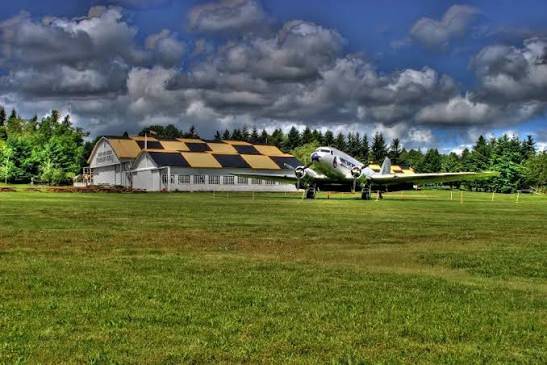
    Moulton Falls and Lacamas Lake are scenic options, but their trails vary in surface and slope. Check trail descriptions with the managing agency before you go, since conditions can change after storms. Bring water, a phone, and a companion when possible.

    How Can Visitors Plan Accessible Parking and Transport?

    Accessible parking is usually available at larger sites, but spaces fill quickly on weekends and holidays. Arrive early and keep your placard or plate handy. Rideshare drop-offs work well at many downtown locations, which can cut out long walks from distant lots. Confirm the drop-off point before you request a ride.

    Vancouver has public transit options, but check the current routes and wheelchair lift or ramp details with the transit agency. Bring a short note about your mobility needs if it helps staff assist you. Plan extra time for each stop, since transfers can take longer than expected.

    What Should Visitors Ask Before Booking?

    Ask about step-free entry, restroom access, seating, and whether service animals are welcome. Check whether trails have paved surfaces and how far apart rest areas sit. A short phone call or message often answers questions faster than a web search.

    Ask about accessible restrooms, since a long trip without facilities can be tiring. Consider visiting midweek or early in the day, when paths and parking are less crowded. Write down your questions in advance so you remember them during the call. Keep a copy of the site’s accessibility page on your phone for quick reference.

    Frequently Asked Questions

    Is Vancouver WA easy to explore without a car?

    Downtown and the waterfront are compact and mostly flat, so many visitors manage with a wheelchair or walker. Rideshare services and public transit cover parts of the area, though service levels vary. Trips to the Gorge or outlying parks usually need a car or organized tour. Confirm current options before you travel.

    Are service animals welcome at these attractions?

    Under U.S. federal disability law, service animals are generally permitted in public places like parks and museums. Staff may ask only whether the animal is required because of a disability and what task it performs. Check each site’s visitor policy for details.

    Should I plan rest stops for a full day out?

    Yes, most visitors with limited mobility benefit from planning a rest stop every hour or so. Map benches, shaded spots, and restrooms before you leave, and keep water on hand. Keep a list of accessible restrooms on your phone as you go. Shorter visits with breaks often feel better than one long push through every site.

  • Rainy Day Things to Do in Vancouver WA

    Rainy Day Things to Do in Vancouver WA

    The best rainy day plans in Vancouver WA mix indoor history with cozy food and a few brave outdoor walks. Start with the Pearson Air Museum or the historic buildings at Fort Vancouver, then warm up with a long lunch. Here is how to make a wet day feel like a choice, not a setback.

    Which Museums Work Best on a Wet Day?

    The Pearson Air Museum is a solid indoor pick for rainy weather, with aviation exhibits that appeal to curious minds of all ages. Fort Vancouver’s visitor center also offers indoor exhibits about the fur trade era. Check each site’s current hours before heading out, since schedules can shift by season.

    Bring a small towel or bag for wet umbrellas and jackets. Plan about two hours at each stop so you aren’t rushed. Weekday mornings tend to feel calmer, which helps when you want to linger over every display.

    Can You Enjoy Local Shopping Indoors?

    Uptown Village is a neighborhood shopping district with independent shops and dining, making it a comfortable place to browse out of the rain. Many storefronts sit close together, so you can hop between them without long walks in the wet. Plan a slow loop, then warm up with something hot.

    The Vancouver Farmers Market runs on a seasonal schedule, so check whether it’s open on your visit day. If it is, rain can make the stalls feel more intimate. Bring cash for small vendors, and expect to wipe a few muddy shoes.

    Can You Still Enjoy Walks When It’s Wet?

    Yes, a paved trail like the Columbia River Renaissance Trail stays usable in light rain, and a waterproof shell makes a big difference. Many locals walk through drizzle and find the views quieter and more peaceful. Skip windy days near open water if you feel unsafe.

    Choose shorter loops and wear shoes with good tread, since wet boardwalks and gravel can be slippery. Waterproof pants keep the lower half dry, and a hat with a brim keeps rain off your glasses. Turn back early if the wind picks up.

    Which Cozy Spots Work for a Long Lunch?

    Downtown Vancouver offers a range of indoor dining for a long, relaxed lunch on a rainy afternoon. Booths and window tables let you watch the weather while you wait for your food, which is part of the fun. Choose a place with a flexible pace, and plan to arrive before the midday rush.
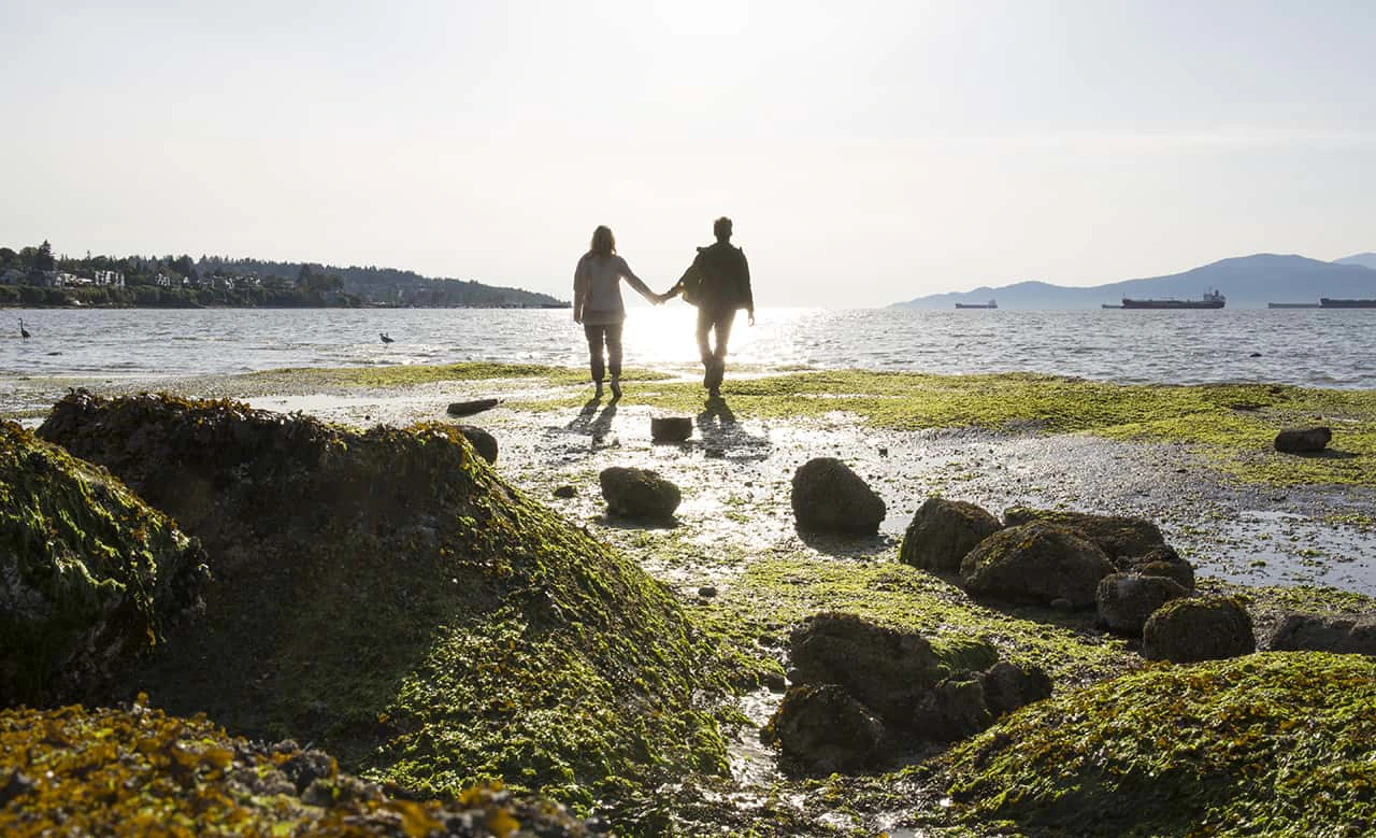
    Local bakeries and coffee shops also make good rainy day stops, especially for a quick break between museum visits. Ask staff about seating if you have a stroller or mobility aid, since layouts vary. Carry some cash as a backup, since card systems can go down. Restrooms are usually easy to find at larger indoor venues.

    How Should You Plan a Rainy Itinerary?

    Group indoor stops together and leave outdoor walks for breaks in the clouds. Many visitors find that a three-stop day works best, with one museum, one meal, and one shopping stop. Check the forecast each morning, since weather in the region can change within a few hours.

    Keep a rain plan in your bag, including a compact umbrella, dry socks, and a plastic bag for wet gear. Build in flexible time so you can switch plans without stress. If the rain stops, head outside quickly, because the light after a shower can be lovely.

    When Is Rain Most Likely in Vancouver WA?

    Rain is most common from late fall through early spring in Vancouver WA, which matches the broader pattern across the Pacific Northwest. Summers are typically drier, though short showers can still occur. Packing a light rain jacket year-round is a smart habit.

    Expect a lot of gray days in winter rather than constant downpours. Many rainy days bring drizzle that stops and starts, so flexible plans work well. Locals tend to dress in layers and keep a jacket handy, which makes the weather feel much less of a problem. Booking dinner reservations for rainy weekends also helps, since indoor seating tends to fill quickly.

    Frequently Asked Questions

    Is it worth visiting Vancouver WA in the rain?

    Yes, many visitors find rainy days quieter and more relaxed. Museums and historic sites are often less crowded, and the waterfront has a moody charm in soft light. Plan indoor stops, pack good rain gear, and keep your schedule loose so you can adapt.

    What should I pack for a rainy visit?

    Bring a waterproof jacket, a compact umbrella, and shoes with good grip. Pack a spare pair of socks and a dry bag for electronics and paper maps. Layers help too, since indoor spaces can feel warm after a damp walk outside.

    Can kids enjoy a rainy day in Vancouver WA?

    Yes, indoor exhibits give children plenty to see when the weather turns. Pick stops with engaging displays and plan short breaks. Bring a few quiet activities, since waiting in wet outerwear can wear out even patient kids.

  • A Romantic Getaway in Vancouver WA: Ideas for Couples

    A Romantic Getaway in Vancouver WA: Ideas for Couples

    Vancouver WA makes a surprisingly relaxed romantic escape, with river views, historic streets, and easy access to the Columbia River Gorge. The best couple plans pair one scenic walk with one slow meal and one quiet hour. Here is how to shape a weekend that feels special without feeling rushed.

    Where Should Couples Start a Waterfront Stroll?

    Vancouver Waterfront Park and the Grant Street Pier offer a relaxed first stop for couples. The park follows the Columbia River, so you can watch the water and the light change as the afternoon goes on. Plan a slow loop on foot before dinner.
    Walk out to the pier at golden hour, since the light on the river can be lovely in good weather. Bring a light jacket, because the wind off the water often feels colder than the forecast suggests. Parking near the waterfront can be limited on weekends, so consider arriving early or walking from downtown.

    Is Officers Row a Good Choice for Couples?

    Officers Row is a street of historic homes that many couples find ideal for an unhurried walk. The houses date to the era of the nearby Vancouver Barracks, giving the street a distinct character. Read up on the history beforehand, since the homes have stories worth knowing.

    Afternoon light makes the street a pleasant backdrop for photos, and the walk from Fort Vancouver is short. Many of the homes are private, so view them from the sidewalk and keep voices low. Dress for the weather, because open stretches offer little shelter from wind or rain.

    Where Can Couples Share a Scenic Drive?

    The Columbia River Gorge lies a short drive east of Vancouver and offers some of the most dramatic scenery in the Pacific Northwest. The Columbia River Gorge National Scenic Area was established by Congress in 1986 to protect its landscape. Waterfalls, basalt cliffs, and viewpoints line the route.

    Head east on the Washington side for scenic overlooks, or cross to the Oregon side to see Multnomah Falls. Allow an hour or more each way on busy days, and check road conditions before leaving, since winter ice can close routes. Pack snacks and water, since services along the scenic routes can be spread out.

    What Makes a Good Riverside Dinner Plan?

    Pick a restaurant near the waterfront or in Uptown Village and book ahead on weekends. Many couples prefer a table by a window with river or street views. Ask about seasonal menus, since local ingredients change with the harvest. Reservations help most on Friday and Saturday evenings.


    Dessert and coffee make a relaxed finish, but hours vary, so confirm before you go. Consider a walk along the water after dinner, since evening air cools quickly by the river. Keep the night simple, and you’ll find the connection comes easily.

    How Can Couples Plan a Slow Weekend?

    A relaxed couples weekend works best with two anchor plans and plenty of unscheduled time. Spread activities across the day so neither partner feels rushed. Weather in the Pacific Northwest can shift quickly, so keep a flexible indoor option ready. Talk through priorities before you go, then build the plan around them.

    Start with a slow breakfast, then save an afternoon for a walk or a quiet museum visit. Leave the car parked for a while, since downtown and the waterfront are walkable. Keep phones tucked away during meals, and you’ll notice more of the moment.

    When Is the Best Season for a Couples Trip?

    Late spring and early fall tend to be the most pleasant seasons for a romantic trip to Vancouver WA. Temperatures are mild, and the rain is lighter than in winter. Summer brings warm evenings, though it can also bring crowds and occasional wildfire smoke.

    Winter has its own charm, with cozy indoor dining and fewer visitors on the trails. Check the forecast the week of your trip and pack a compact umbrella. Spring often brings blooming gardens, making it an excellent time for a slow walk. Pick a midweek stay if you want quieter streets and easier reservations.

    Frequently Asked Questions

    Can we make a romantic trip to Vancouver WA without a car?

    Yes, the downtown core and waterfront are walkable, so many couples manage without a car. Public transit covers parts of the area, though schedules vary. For trips to the Gorge, a rental car or organized tour makes the day easier. Check current transit options before you travel.

    Is Officers Row suitable for an evening stroll?

    Officers Row is generally a calm, low-traffic street that works well for an evening walk. Wear comfortable shoes, since older sidewalks can be uneven. Respect private property and keep noise down near homes. Confirm current conditions before heading out after dark.

    How many days should a couple plan for Vancouver WA?

    Two full days allow time for the waterfront, a historic walk, and one day trip into the Gorge. A long weekend also works if you focus on the city. Build in at least one unplanned afternoon, since the best moments often happen without a schedule.

  • Family-Friendly Attractions in Vancouver WA Kids Will Love

    Family-Friendly Attractions in Vancouver WA Kids Will Love

    The best family outings in Vancouver WA combine history with open space. Fort Vancouver National Historic Site, Vancouver Waterfront Park, and the Pearson Air Museum give kids something to explore, while open lawns and riverside trails let them burn off energy. Here’s how to plan a day that keeps everyone happy.

    Which Historic Sites Work Best for Kids?

    Fort Vancouver National Historic Site is a top pick for history-loving kids. The Hudson’s Bay Company set up a fur trading post on this spot in 1825. Today the National Park Service runs a reconstructed fort where demonstrations and programs change by season. Check the official site for current schedules.

    Kids often enjoy the fort’s reconstructed buildings and the open grounds nearby. Plan for a couple of hours and bring water and layers, since the site is largely outdoors. Officers Row sits close by, so you can walk from the fort to see the historic homes. Parking details change, so check the official site and arrive early on busy weekends.

    Where Can Kids Play Near the Water?

    Vancouver Waterfront Park and the Grant Street Pier give families wide open space beside the Columbia River. The park runs along the river, so kids can watch boats and birds while adults enjoy the view. Pack a light jacket, since river wind can feel cooler than downtown streets even on warm days.

    Esther Short Park, close to downtown, has open lawns and paths that work well for a picnic break. The Columbia River Renaissance Trail is paved and suits strollers and scooters, though shared paths can get busy with cyclists. Bring a snack, since food options near the waterfront change with the season.

    Is the Pearson Air Museum Good for Kids?

    The Pearson Air Museum is a strong pick for kids interested in planes and flight. The museum sits on Pearson Field, which dates back to the early 1900s and is among the country’s oldest airfields. Exhibits focus on aviation history, so older children tend to get the most out of them. Confirm current hours before you go.

    Plan a short visit, since most families spend an hour or so inside. The field and nearby historic buildings make an easy walk, and the fort is only a short drive away.

    Where Can Families Find Open Space and Trails?

    Vancouver Lake and the Burnt Bridge Creek Trail give families flat, easy routes for walking and biking. The lake offers water views and open spaces for picnics, while the creek trail follows a waterway through east Vancouver. Both suit young kids, and weekday mornings tend to be the quietest times.

    For a bigger adventure, Frenchman’s Bar is a riverside park with trails and room to explore along the Columbia. Older kids may enjoy Lacamas Lake in nearby Camas, which has a trail around the shoreline. Pack bug spray for summer evenings near the water.

    How Should Families Plan a Day Out?

    Families get the most from Vancouver WA by planning around weather and energy levels. The region sees wetter winters and drier summers, so pack layers and a light rain shell from fall through spring. Plan one or two anchor stops per day, then add a free-play break at a park.

    Pack a small first aid kit, sunscreen, and reusable water bottles. Stroller access is generally good on paved paths downtown, though some historic areas have gravel or uneven ground. Ask staff at each stop about restrooms and shaded seating, since facilities vary across sites.

    When Is the Best Time for a Family Visit?

    Late spring through early fall offers the most reliable weather for outdoor family plans in Vancouver WA. Summers tend to be dry and warm, which suits picnics and waterfront time. Weekday mornings are usually the calmest for busy sites. Check local event calendars, since the Vancouver Farmers Market draws crowds on market days.

    Winter brings more rain, though crowds thin out and indoor options become more valuable. Pack layers and waterproof shoes, and keep a museum visit as a backup plan. Spring can be the sweet spot, with mild temperatures and green trails.

    Frequently Asked Questions

    Is Fort Vancouver good for young children?

    Fort Vancouver can work well for young children who enjoy open grounds and simple stories about the past. The site is largely outdoors, so strollers and comfortable shoes help. Shorter visits suit toddlers, while school-age kids often enjoy the demonstrations. Check the official National Park Service site for current programs and any age recommendations before you go.

    Can we visit the waterfront with a stroller?

    Yes, most of the waterfront area is paved and generally stroller-friendly. Paths along the Columbia River can be windy and occasionally busy, so keep a firm grip on little ones near the edge. Restroom access changes with the season, so plan around it. Confirm current conditions on the city’s official park information before heading out.

    How long should a family plan to spend in Vancouver WA?

    A family can enjoy a satisfying day with two or three stops, such as the fort, the waterfront, and a park lunch. Plan a half day for younger children and a full day if you add a museum or a trail. Build in downtime, since kids tend to tire faster than adults expect.